
Level 1 sweep and inspection to the NFPA 211 annual standard - flue, crown, cap, and flashing checked and photographed
Chimney sweep logs do not sweep chimneys. They loosen some creosote - which then falls where a brush and vacuum still have to collect it.
Masonry repairGas fireplace service
 Before
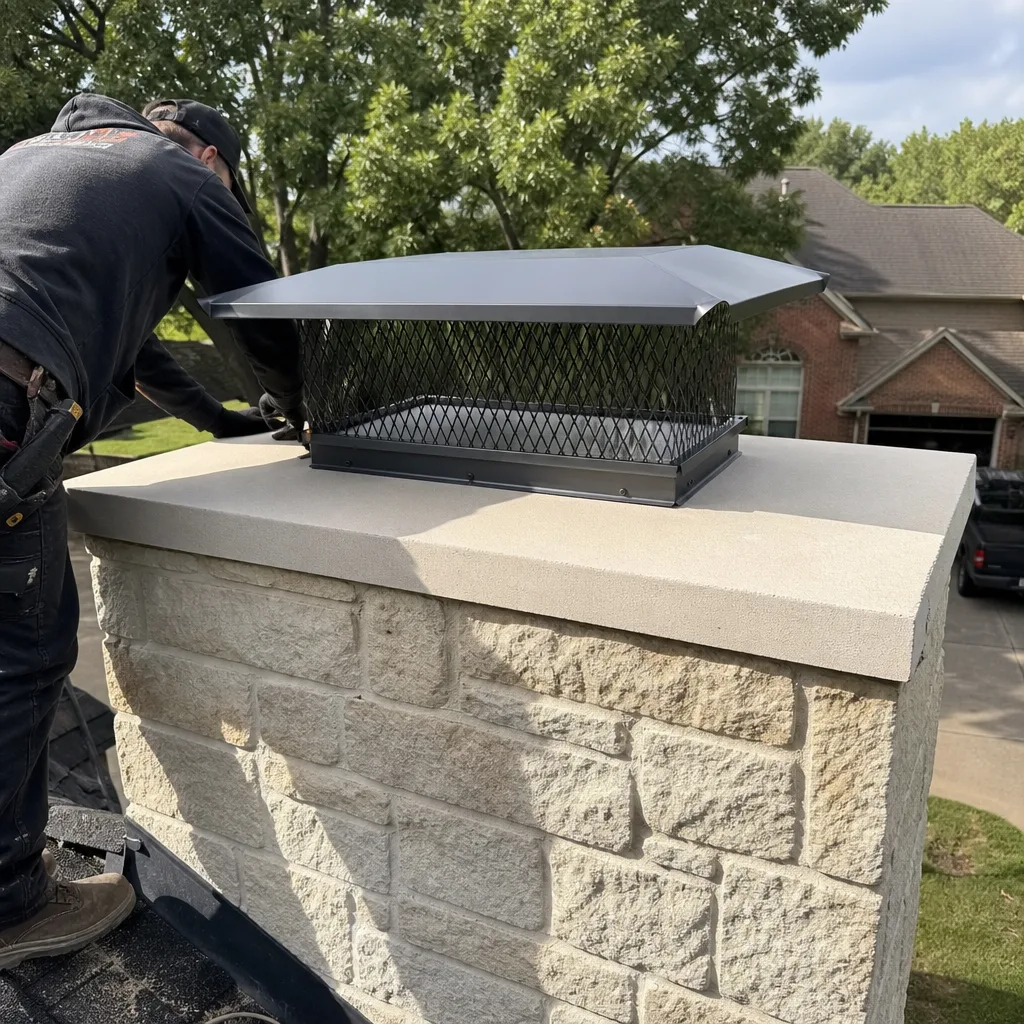 After
After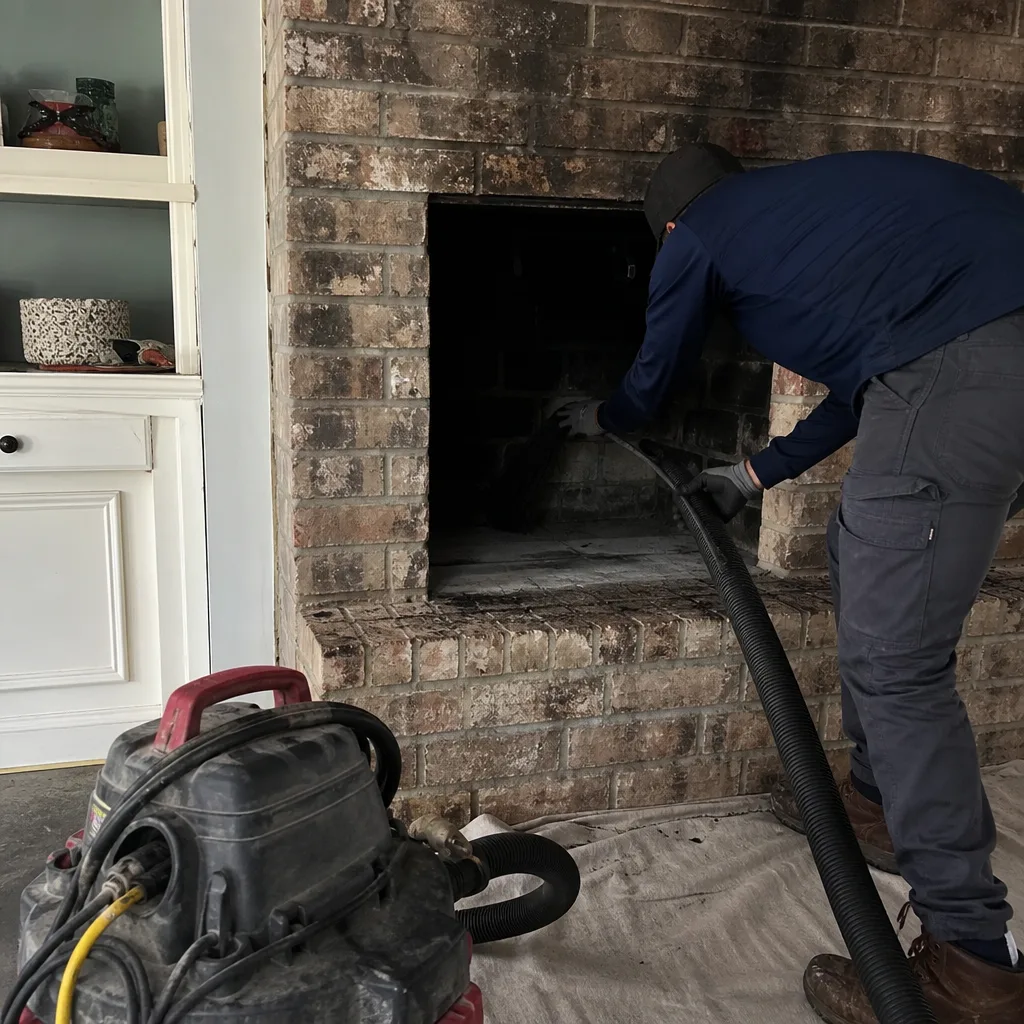 Before
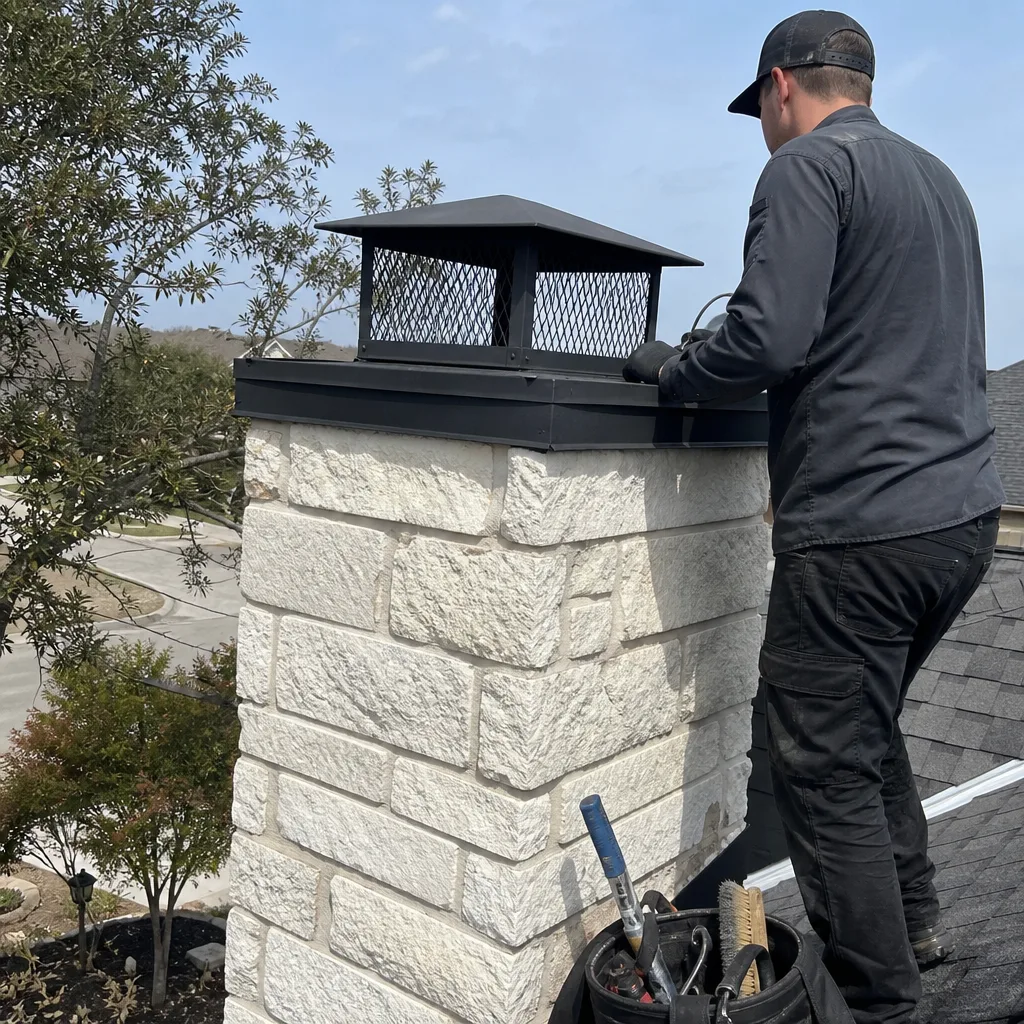 After
After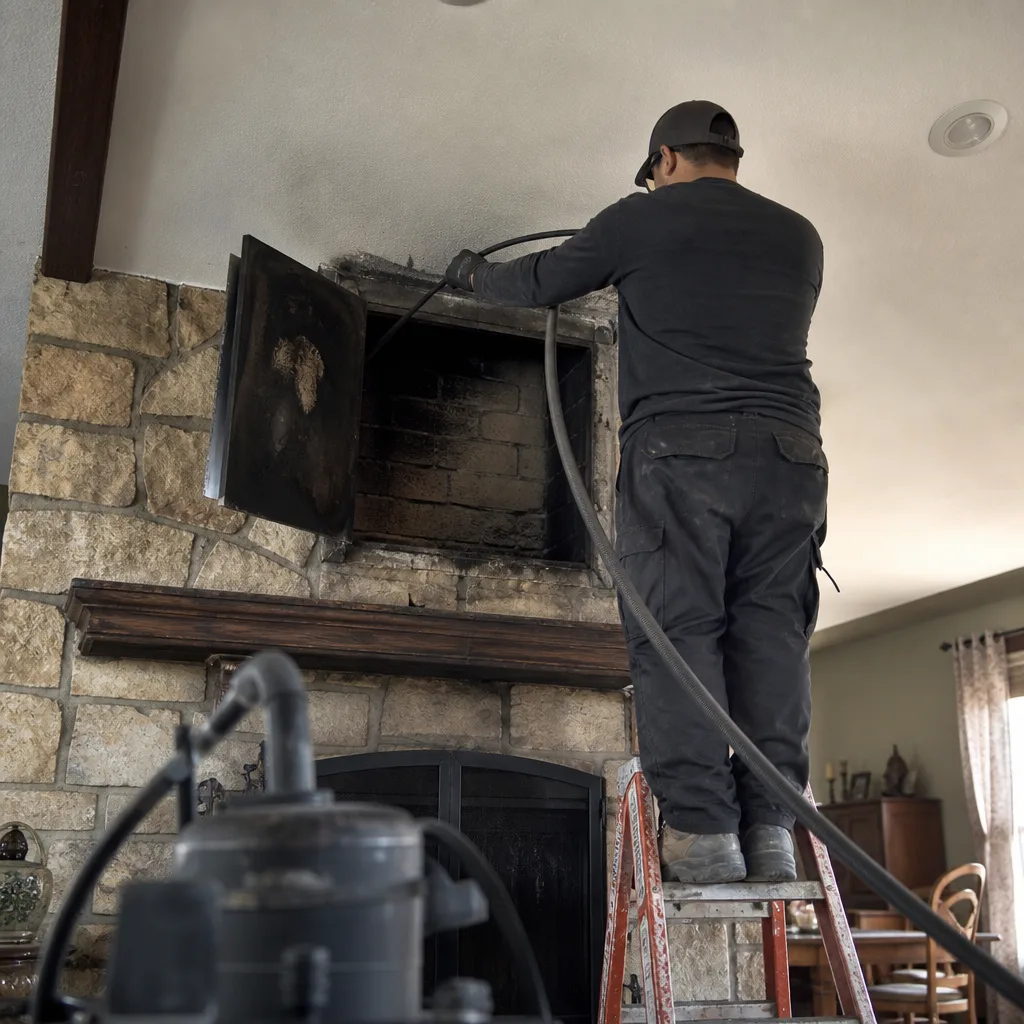 Before
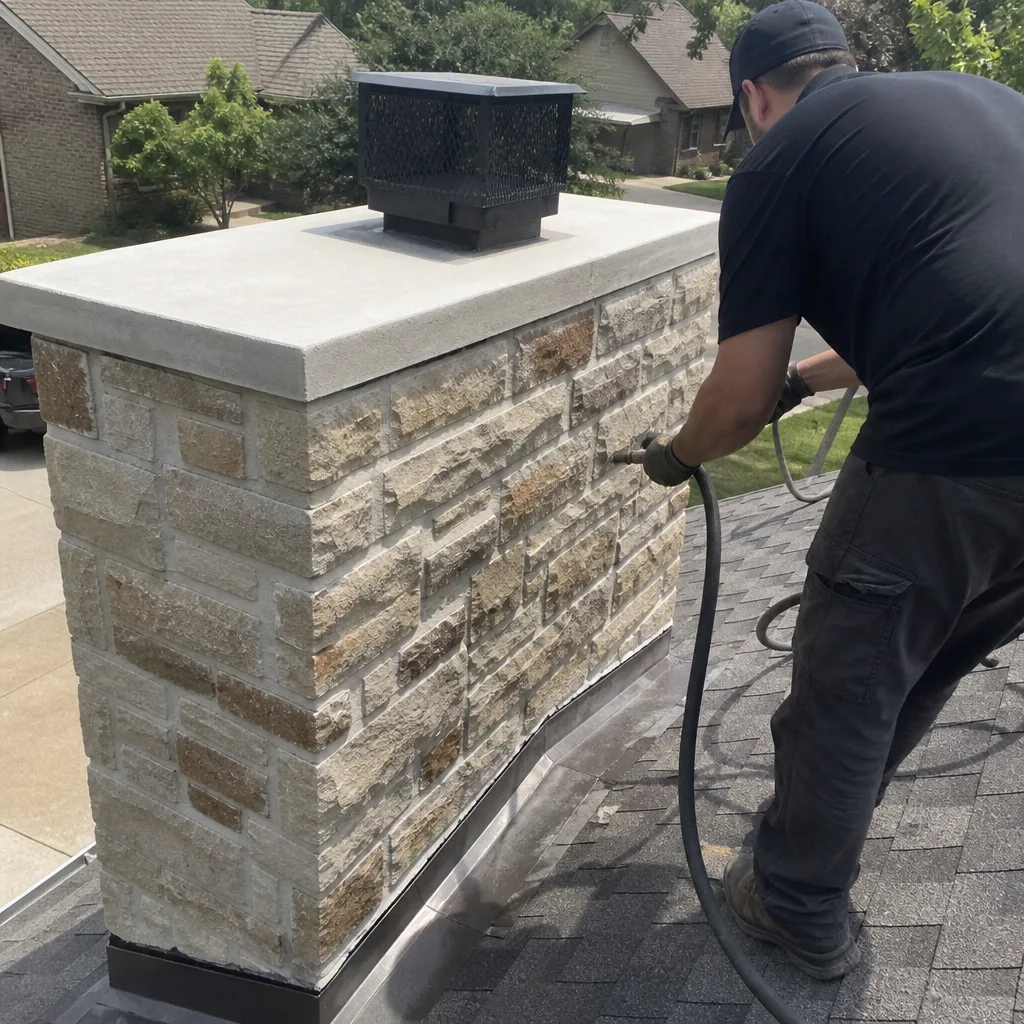 After
AfterCreosote Removal in McKinney, TX
Creosote removal in McKinney typically runs between $150 and $800 depending on how much has built up and which stage it has reached – most single-season cleanings fall in the $150-$300 range, while advanced Class III deposits requiring chemical treatment and mechanical removal land closer to $500-$800. Level Two Chimney McKinney uses a camera-down-the-flue inspection before any work starts, so you know exactly what stage you’re dealing with and exactly what it will cost before anyone picks up a brush.
If you use your fireplace more than four or five times a season – which is easy to do during McKinney’s cooler months between November and March – creosote is accumulating whether you can see it or not, making regular Fireplace Cleaning essential. The compound forms every time wood smoke cools against the flue liner walls, and it progresses through three distinct stages: a light, brushable powder (Class I); a tar-like, flaky coating (Class II); and a hardened, glazed shell that ordinary sweeping won’t touch (Class III). Our job is to identify which stage is present, document it with photos, and clear it with the right method – not the cheapest one.
Our Chimney Cleaning & Sweep in McKinney service covers the full flue system, and creosote removal is the most critical part of that work. Call us at (469) 429-2623 – a live person picks up around the clock, not a voicemail.
When You Need Creosote Removal
- You’ve burned more than a cord of wood this season. McKinney winters are mild but unpredictable – a cold front in January can push residents to light the fireplace four nights running. That kind of use loads the flue faster than most homeowners expect, especially if green or mixed hardwood was burned.
- There’s a strong, acrid smell coming from the firebox – even in summer. Creosote off-gasses through masonry when temperatures and humidity shift. In McKinney’s humid summers, that odor pulling back into the living space is a reliable sign of significant buildup on the liner walls.
- Your fires produce more smoke than they used to. A narrowed flue draft caused by creosote coating the liner reduces the chimney’s ability to draw. If you’re getting smoke rollout or slow-starting fires, the liner may already be partially occluded.
- It’s been two or more years since the last sweep. NFPA 211 calls for annual inspection and cleaning for chimneys in active use. In McKinney neighborhoods like Craig Ranch, Stonebridge Ranch, and Eldorado, we regularly find fireplaces that were used regularly for three or four winters with no sweeping – Class II or III buildup is common in those cases.
- You’ve had a hot, fast burn recently. Burning cardboard boxes, Christmas trees, or pine for a quick roaring fire accelerates creosote deposition. One session like that can push a borderline Class II coating into Class III territory.
- Your chimney has had a prior chimney fire, even a small one. Minor chimney fires often go unnoticed – a brief roar, a flickering flame visible at the top, an unusually hot outer surface. Any of these warrants an immediate inspection and full creosote removal before the fireplace is used again.
Our Creosote Removal Process
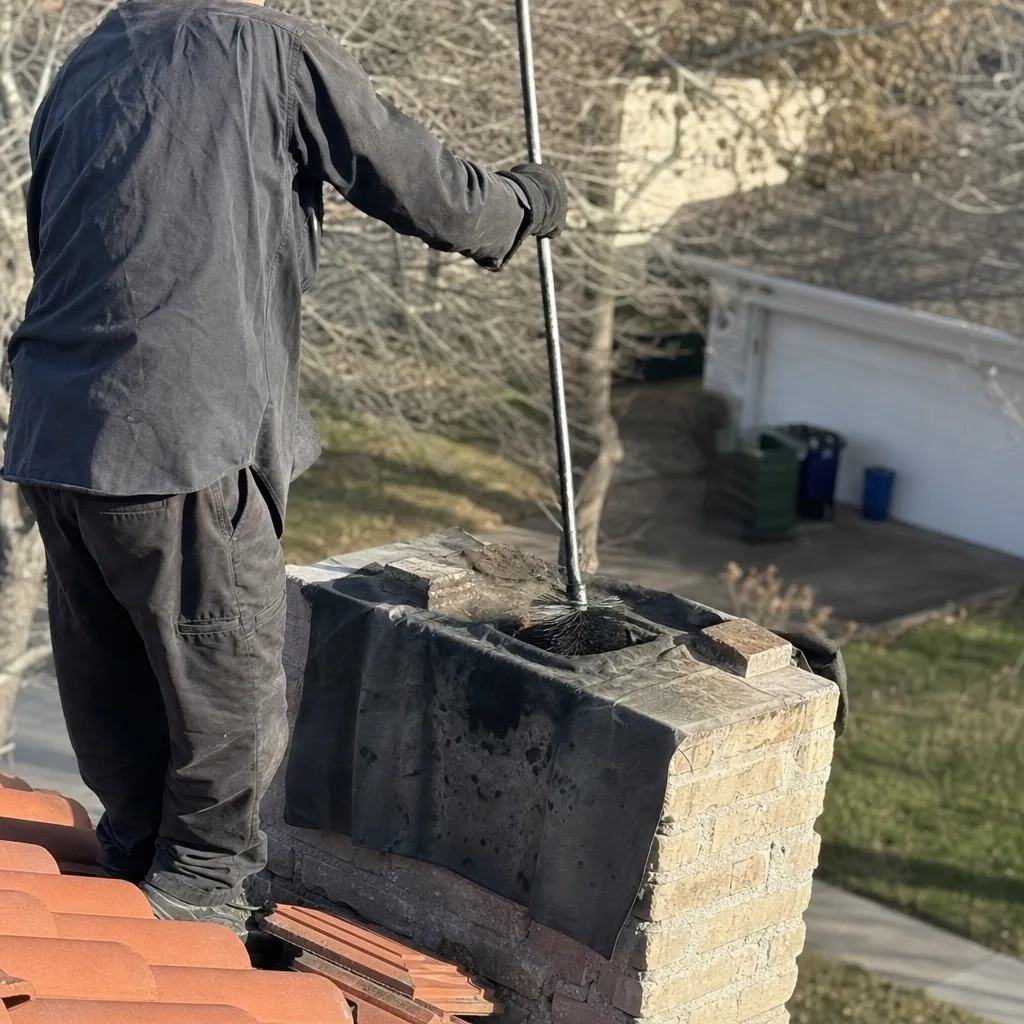
- Camera inspection before any tools go in. We run a camera down the flue liner before the first brush touches the chimney. This is NFPA 211 Level 2 standard practice, and it’s how we classify the creosote accurately. You see the footage, we document it, and the written scope goes on paper before work starts – that’s Clause 1 of the Haven Standard. No surprises discovered mid-job that suddenly add to the price.
- Written price and scope delivered before work begins. Once the camera confirms the creosote class and the extent of buildup, we hand you a written price – specific dollar amount, specific scope, specific warranty. This is not a verbal estimate that changes when the job is done. Haven Standard Clause 1: have it in writing.
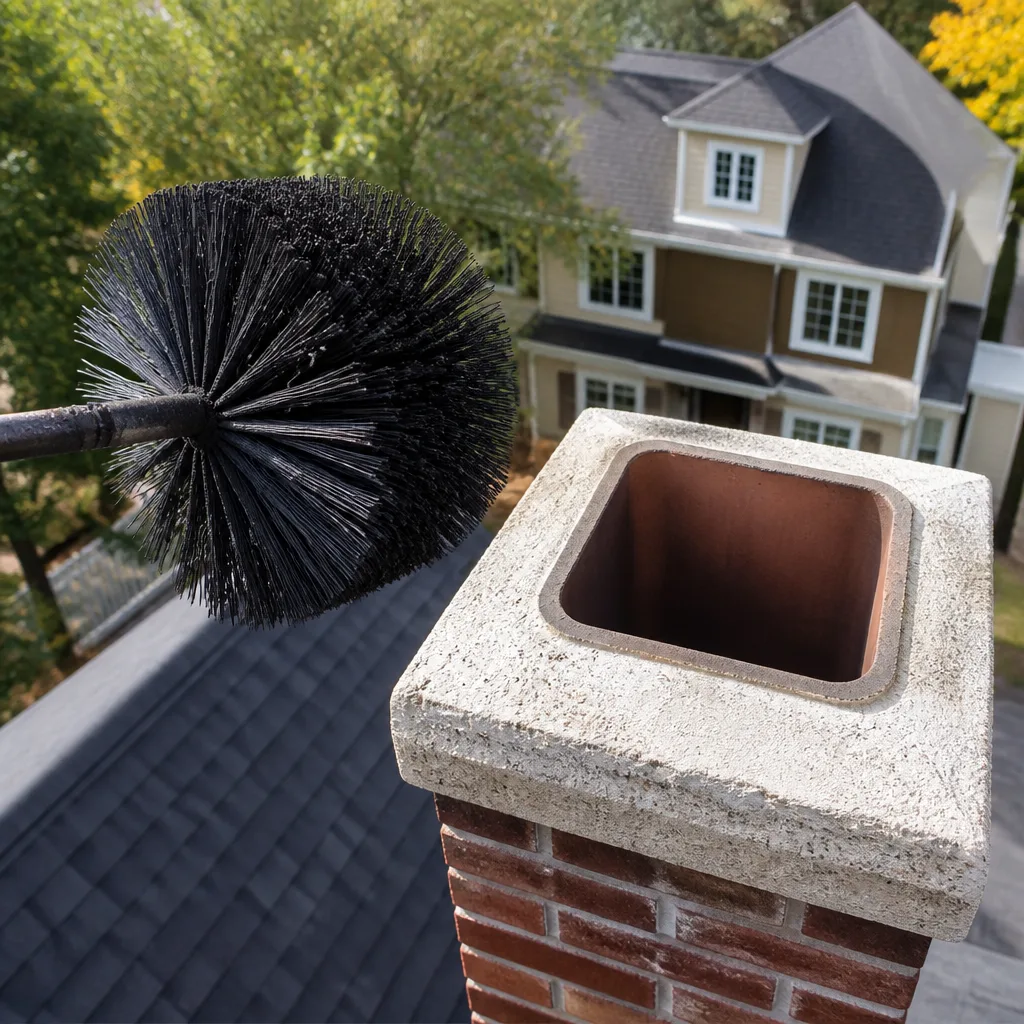
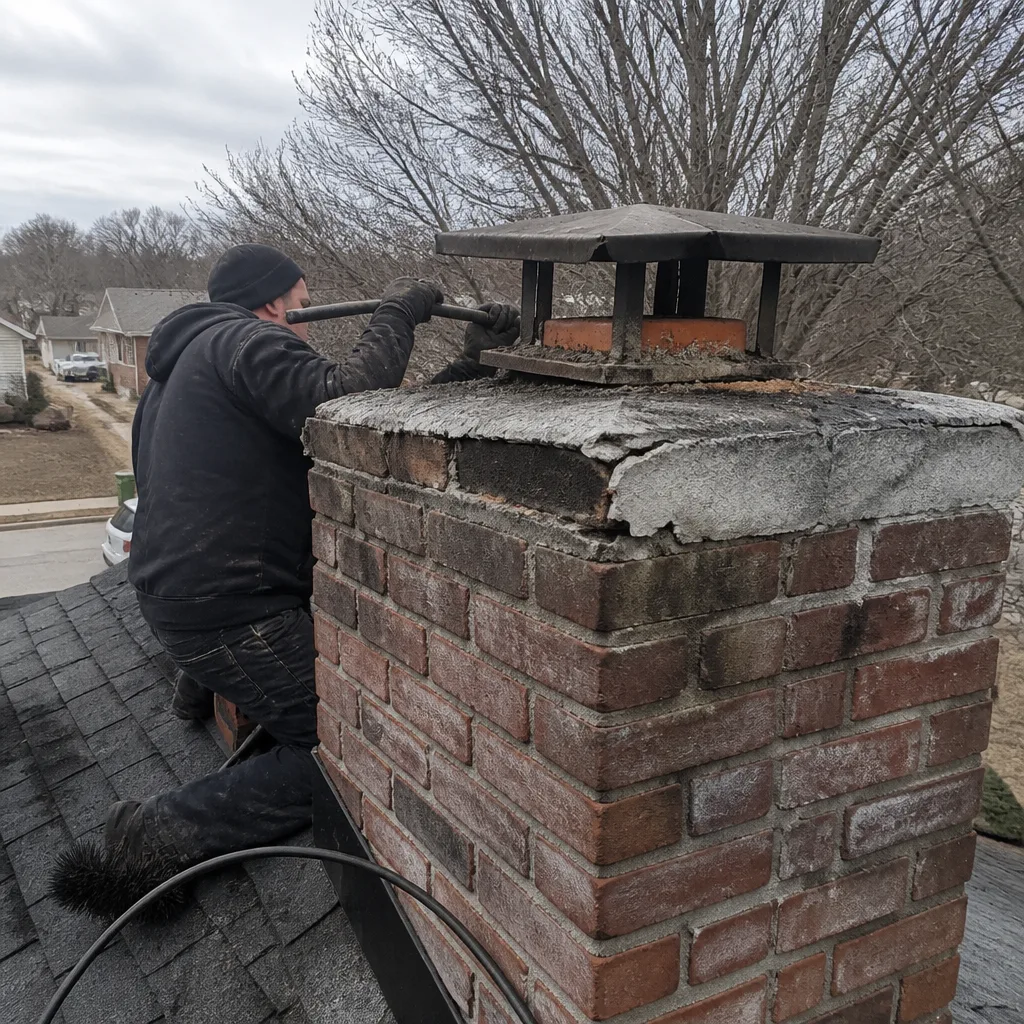
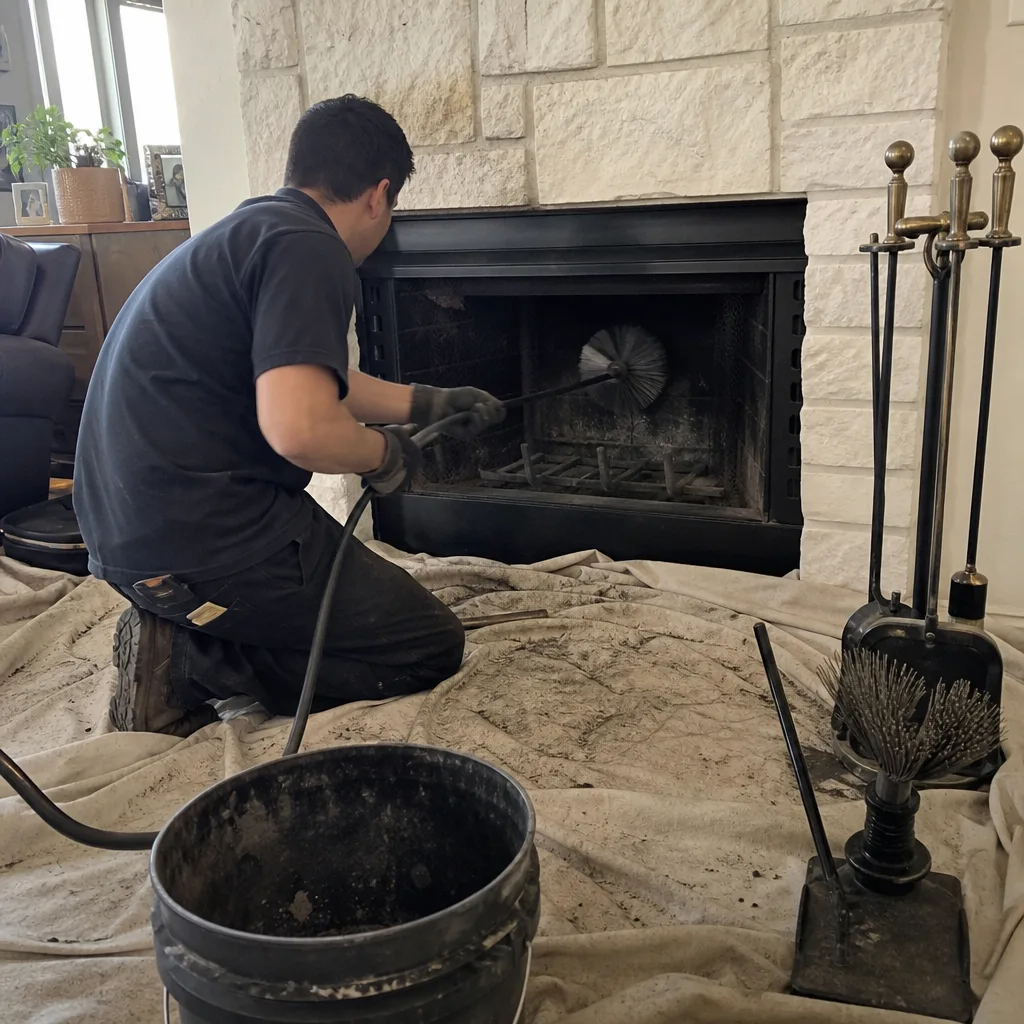
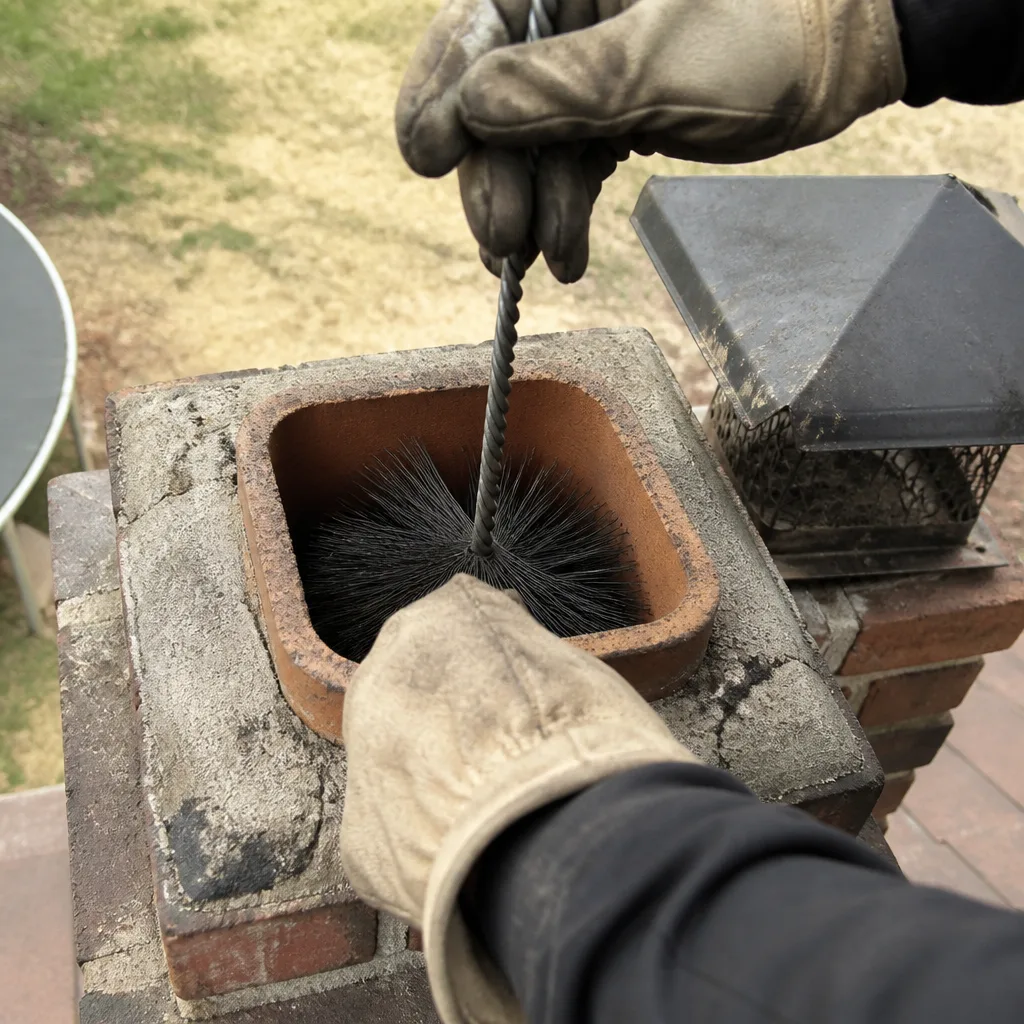
- Class I and Class II removal with professional rotary brushes. For powdery or flaky deposits, we use industrial rotary sweeping equipment sized to your specific flue dimensions. Proper fit matters – an undersized brush leaves material on the liner walls. We work from above and below, containing debris at the firebox with a drop cloth and HEPA-filtered vacuum. Copperfield and Olympia Chimney brushes cover the sizes we encounter in McKinney’s mix of factory-built and masonry systems.
- Class III chemical treatment and mechanical removal. Glazed, hardened creosote – Class III – does not respond to brushing alone. We apply a professional-grade chemical desiccant that converts the glaze to a friable, brushable material, then return to mechanically clear it. This is a two-visit process in most cases, and we say so upfront. A company that tells you it can remove Class III creosote in one pass with standard brushes is not giving you an honest answer.
- Post-removal camera confirmation. After removal is complete, the camera goes back down. We compare before-and-after footage so you can see the cleared liner walls. That documentation is yours – Clause 4 of the Haven Standard requires a photo record on every job, and it’s included as standard, not billed as an extra.
- Written record and warranty before we leave. You receive a documented photo record, the written scope of what was done, and the warranty in writing before our technician packs up. If anything is identified during the job that falls outside the original scope – a cracked liner tile, a damaged smoke shelf – we tell you, document it, and quote it separately before touching it.
 Before
 After
AfterCreosote Removal Pricing in McKinney
Creosote removal in McKinney runs $150 to $800 for most residential jobs. The range is wide because the work itself varies significantly by stage. Here is what the numbers look like in plain terms:
| Creosote Class | Description | Typical Price Range (McKinney) |
|---|---|---|
| Class I | Light, powdery deposit – standard annual buildup | $150 – $250 |
| Class II | Tar-like, flaky coating – heavier accumulation, multiple seasons | $250 – $450 |
| Class III | Hardened, glazed deposit – requires chemical treatment plus mechanical removal | $500 – $800+ |
Several factors push a job toward the higher end of each range:
- Flue height above 15 feet – common in McKinney’s two-story colonials and craftsman homes built after 2005
- Flue configuration with offsets or bends, which trap deposits in corners that straight brushes miss
- Multiple fireplaces sharing a single exterior chase – a setup we see often in Stonebridge Ranch homes with back-to-back fireplaces
- No prior cleaning documentation, meaning we start without knowing the baseline condition
The camera inspection that establishes the class is included on every visit – it is not a separate charge. That’s the only way to quote accurately, and it’s the only way the written price we give you before work starts is a real number rather than a guess.
If you have a written estimate from another company, bring it. We offer a free second opinion on any written quote – no charge to review it, no pressure to switch.
Call (469) 429-2623 to schedule. A written price is on the page, and a more precise one comes after the camera is down the flue – before any work begins.
What Sets Level Two Chimney McKinney Apart
Most chimney companies in the McKinney area perform what they call an inspection with a flashlight and a mirror rather than a proper Level 1 Inspection. That’s not an inspection in any documented sense – it’s a visual check that misses what’s happening at the back of the smoke chamber and partway up the liner. Level Two Chimney McKinney has been running camera-scan documentation as a default since 2009, long before insurers or state regulators pushed for it. More than 38,000 chimney inspections and cleanings have gone out under that standard, every one with a written price before the work started and a documented photo record when it was done.
That matters specifically for creosote removal because the class of buildup is genuinely difficult to assess without a camera. We’ve inspected McKinney chimneys where the firebox looked clean at the base but the liner above the smoke chamber was carrying a full Class II coating that had been accumulating since the home was built. A flashlight look from the firebox wouldn’t have caught it. A camera did.
The 365-Day Done Right Promise covers every job. If the work wasn’t done correctly – by any objective measure – we make it right. That promise isn’t language in a brochure; it’s stamped on the job record. And if a technician is on the way, you get a text. The person assigned to your job is named before arrival, background-checked, and in uniform. That’s Haven Standard from the first call to the final documentation.
Materials for chemical treatment and liner-adjacent work come through Haven’s buying network – Copperfield and Olympia Chimney supply brushes and rotary equipment; where liner repairs follow a cleaning, we source from DuraFlex and HeatShield. Using the same supply channels across jobs keeps costs controlled without substituting cheaper materials based on margin.
You can read more about how this fits into our full service scope on the home page, or go directly to the parent service for a full picture of what a chimney cleaning visit covers.
A Note on DIY Creosote Removal
Hardware stores sell creosote-reducing chimney logs and spray-on treatments. These products reduce light Class I deposits modestly – they are not a substitute for mechanical removal at any class, and they have no effect on Class III glazed creosote. More to the point, DIY brushing of a flue liner with deposit above Class I carries real risk: dislodging a large chunk of hardened creosote can block the liner or create an uncontrolled spark pathway. High-tension components inside a chimney system and work at roof height add to that risk.
The NFPA recommends that Class II and Class III removal be performed by a trained chimney professional using equipment suited to the flue dimensions and deposit type, which is why professional Chimney Cleaning & Sweep services are critical. We make that recommendation here plainly: don’t attempt to brush out anything beyond light powdery deposits on your own. If there’s any question about what class you’re dealing with, a camera inspection will tell you – and that inspection is included in every Level Two Chimney McKinney visit.
FAQs – Creosote Removal in McKinney
How much does creosote removal cost in McKinney?
Creosote removal in McKinney costs between $150 and $800 for most residential jobs, depending on the class of buildup. Class I (light, powdery) runs $150-$250; Class II (tar-like, flaky) runs $250-$450; Class III (hardened, glazed) runs $500-$800 or more and typically requires two visits because chemical treatment has to work before mechanical removal is possible. The camera inspection used to classify the buildup is included – it’s how we give you an accurate written price before any work starts. Call (469) 429-2623 for a free estimate; we’ll give you a number on the page and a more precise one after the camera comes back up.
How often does creosote need to be removed from a McKinney chimney?
Annual removal is the NFPA 211 standard for any fireplace used more than a few times a season. In McKinney, where fireplace use tends to be concentrated in shorter winter windows between November and March, the buildup per year is often lighter than in colder climates – but that also means homeowners sometimes skip years, which is how Class II and III deposits develop. If you burned wood more than six or eight times last season, a cleaning and camera check this fall is the right call, regardless of when the last cleaning happened. In Craig Ranch and Eldorado, we see a lot of fireplaces that were used steadily for two to four years without service – those are almost always Class II by the time we inspect.
Can you remove Class III glazed creosote in one visit?
No – and any company that says otherwise without qualifying the statement should be asked to explain exactly how. Class III creosote is chemically different from Class I and II deposits; it’s a hardened, carbon-rich glaze that doesn’t respond to rotary brushing until a chemical desiccant has had time to break it down, typically 24 to 72 hours. We apply the chemical treatment on Visit 1, document the pre-treatment condition, and return for mechanical removal on Visit 2 as part of our thorough Level 2 Inspection process. Both visits and both price points are written out before any work starts – you won’t receive a surprise second invoice. Call (469) 429-2623 and we’ll walk you through what two-visit pricing looks like for your specific flue.
Is creosote removal covered by homeowners insurance in Texas?
Routine creosote removal is considered maintenance and is generally not covered by homeowners insurance. However, if a chimney fire caused by creosote buildup damaged the liner, smoke chamber, or surrounding structure, that damage may be covered under your policy – and a documented inspection record showing the pre-fire condition of the flue can be important to your claim. That’s one concrete reason our documented photo record (Haven Standard Clause 4) matters beyond the cleaning itself: it creates an objective baseline record that predates any loss. If you’re filing a claim or preparing documentation for an insurer, ask us about what the written record includes.
Schedule Creosote Removal in McKinney
If your fireplace is due for cleaning, has been sitting unused for more than a year, or you noticed any of the symptoms described above – smoke rollout, an acrid smell, a prior hot burn – schedule a camera inspection and creosote removal before the next fire goes in. Level Two Chimney McKinney will send you a named, uniformed, background-checked technician, text you when they’re on the way, run the camera before any brush touches the flue, and hand you a written price before any work starts.
Call (469) 429-2623 – live answer, around the clock. A free estimate is not a promise of a vague range on the phone; it’s a written number with a written scope, delivered after the camera tells us what we’re actually dealing with.
Written by Corrine Halstead, Owner at Level Two Chimney McKinney, serving McKinney.