
Last updated September 22, 2026
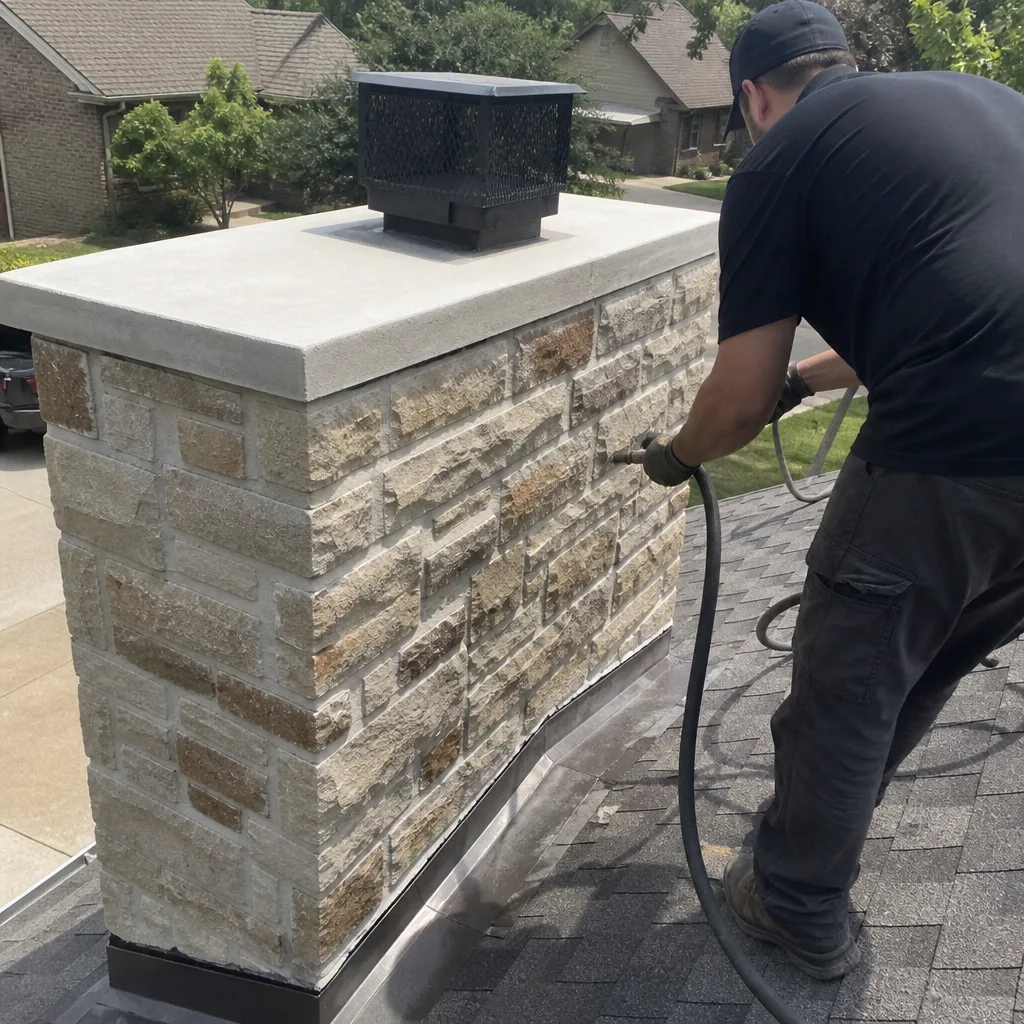
Level 1 sweep and inspection to the NFPA 211 annual standard - flue, crown, cap, and flashing checked and photographed
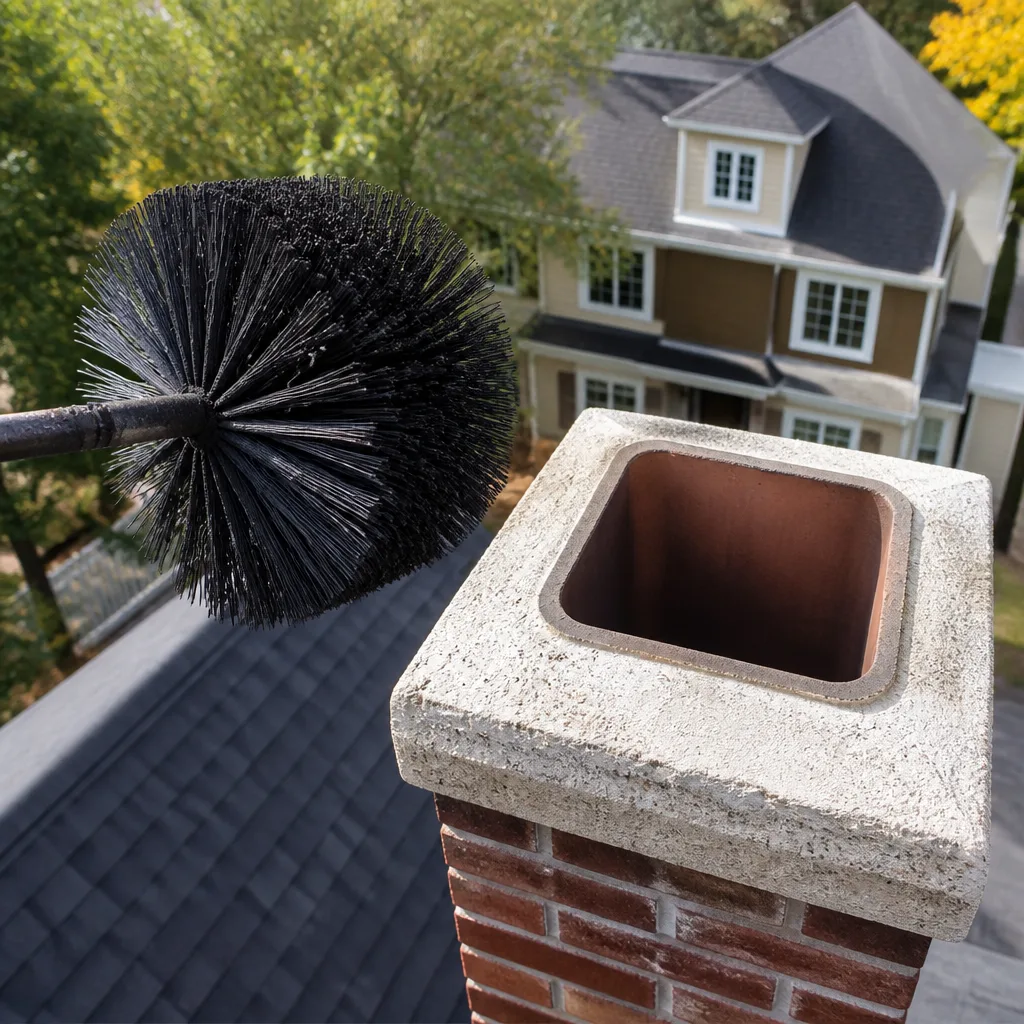
Chimney sweep logs do not sweep chimneys. They loosen some creosote - which then falls where a brush and vacuum still have to collect it.
Masonry repairGas fireplace service
 Before
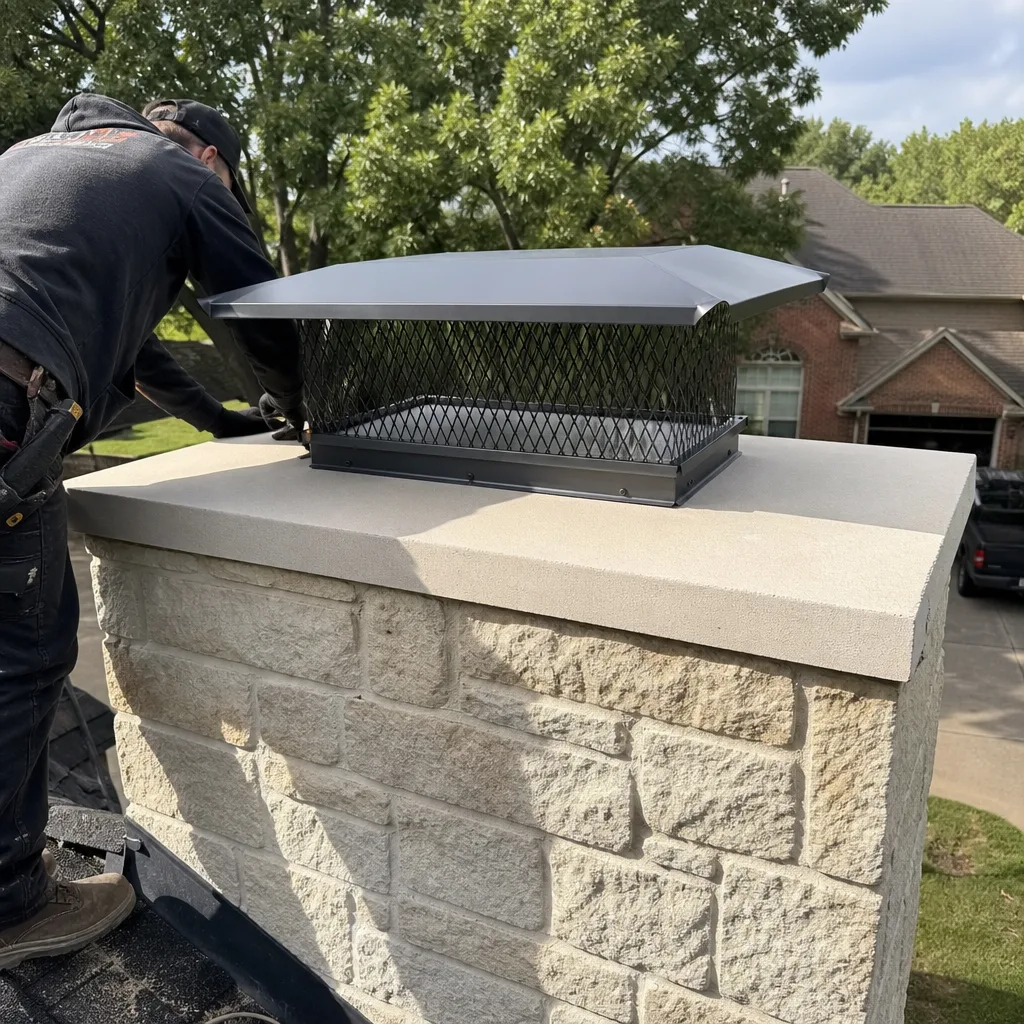 After
After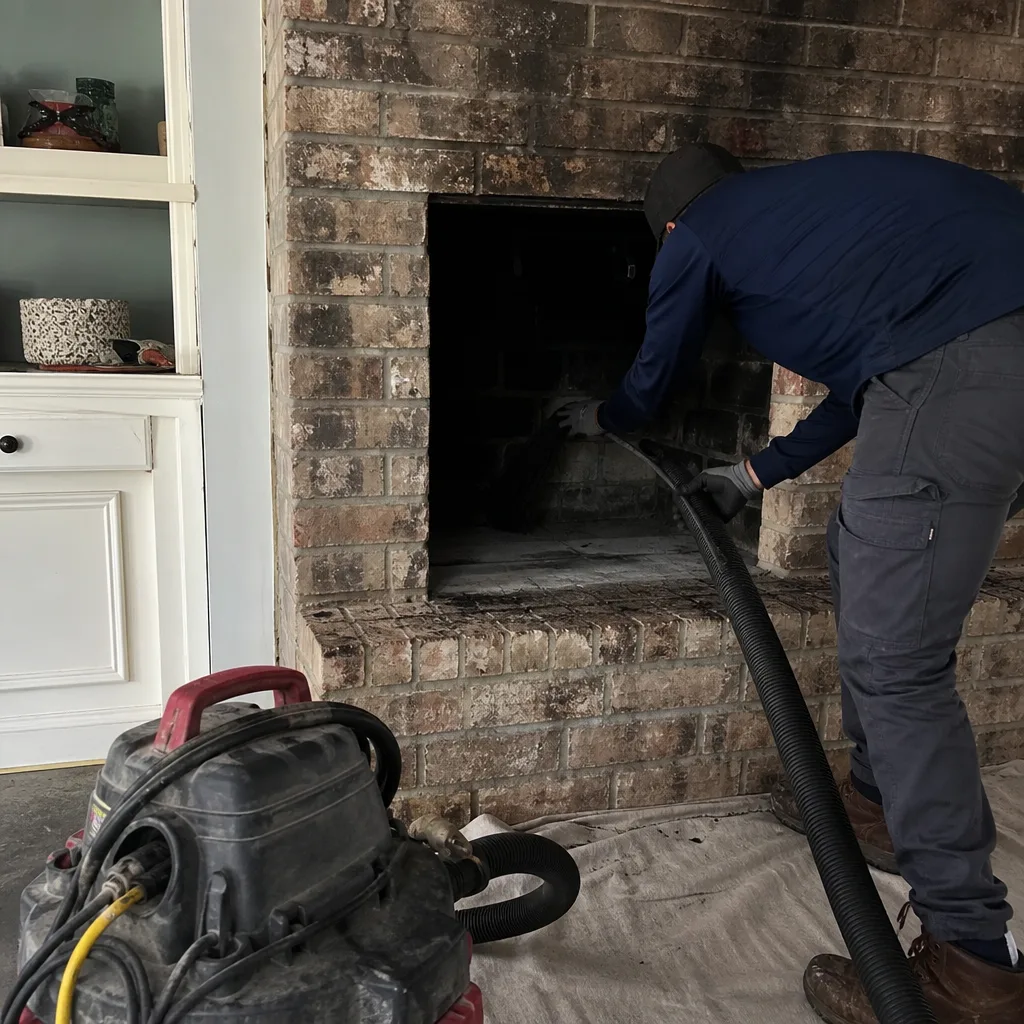 Before
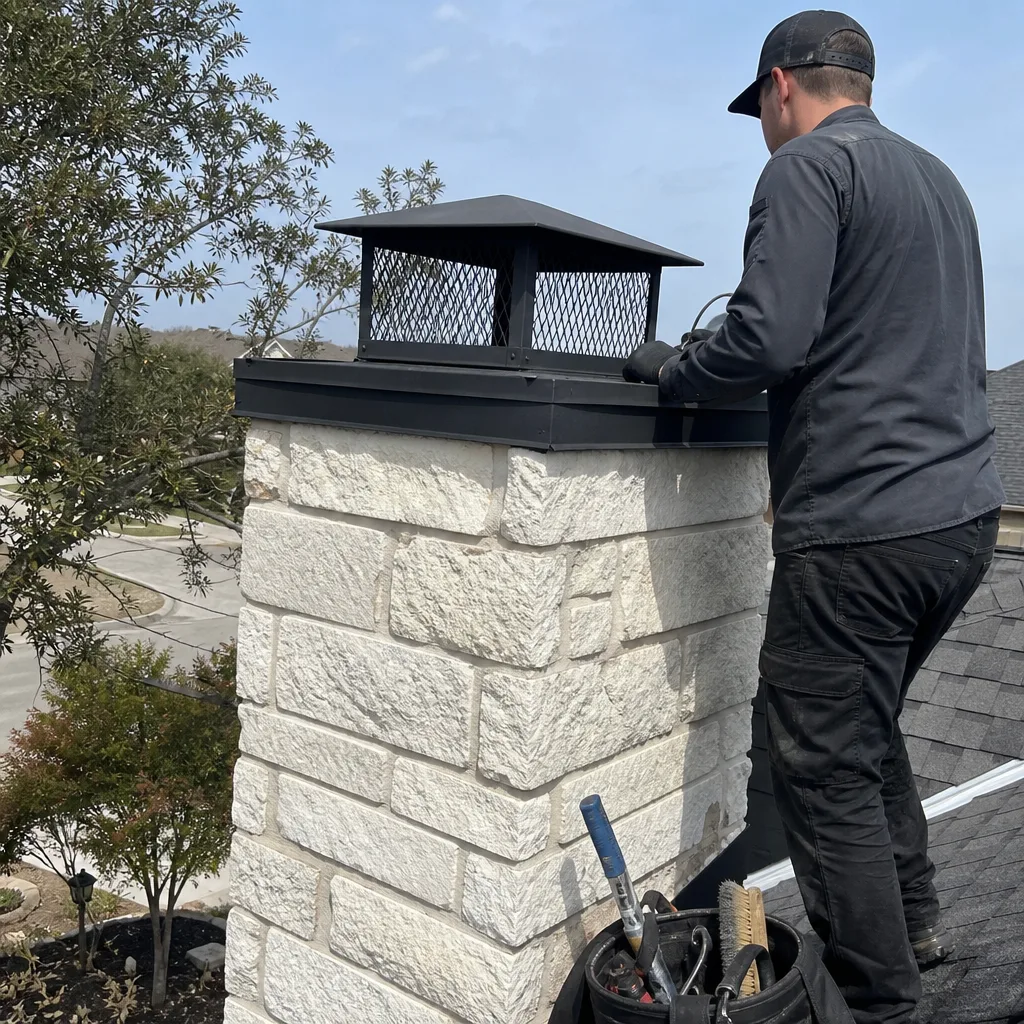 After
After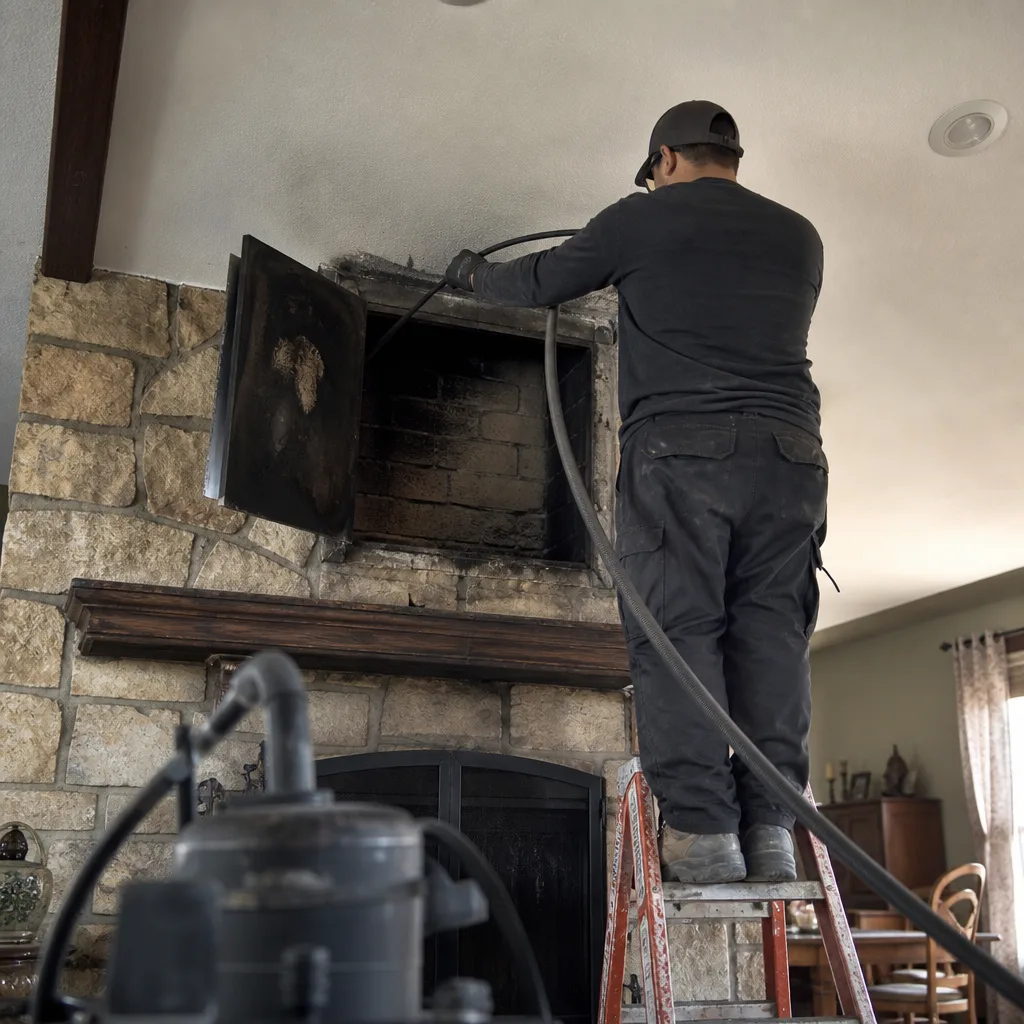 Before
 After
AfterChimney Cleaning Permits, Codes & Inspections in TX: What You Need to Know
There is no Texas state license for chimney sweeps. Anyone can legally clean your chimney tomorrow. But if that same person installs a liner without a permit, your homeowner’s policy may have grounds to deny a fire claim. In McKinney, we’ve seen this exact scenario twice in the past three years, both times after a DIY or unpermitted liner installation in the Craig Ranch and Stonebridge Ranch areas. This guide-along with our Complete Guide to Chimney Cleaning in McKinney-explains where Texas law ends and local code begins, what documentation actually protects you, and why the inspection standard matters more than the sweep itself.
Quick Answer
Chimney cleaning alone does not require a permit anywhere in Texas. However, repairs, relining, crown replacement, or any structural modification typically require permits under IRC Chapter 10 and local McKinney amendments. NFPA 211 Level 2 inspection with camera documentation is the standard for home sales and insurance claims in Collin County, and unpermitted work can void coverage.
Table of Contents
- No Permit Required: What Chimney Cleaning Actually Is
- When Permits Kick In: The IRC Chapter 10 Line
- NFPA 211 Inspection Levels: 1, 2, and 3 Explained
- McKinney and Collin County Code Amendments
- What Texas Insurers Actually Require for Claims
- Texas Real Estate Commission Disclosure Rules
- When a Chimney Issue Becomes a Code Violation
- The Documentation That Protects You
 Before
 After
AfterNo Permit Required: What Chimney Cleaning Actually Is
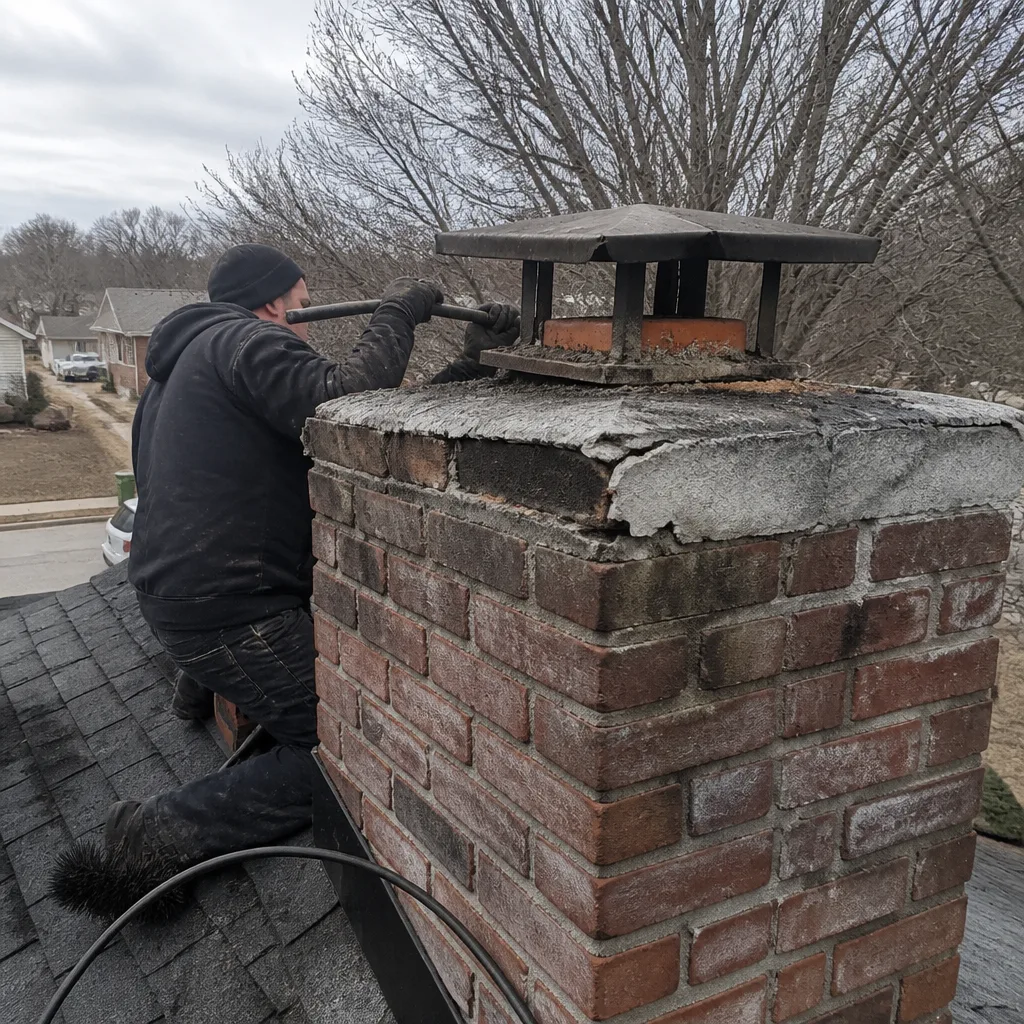
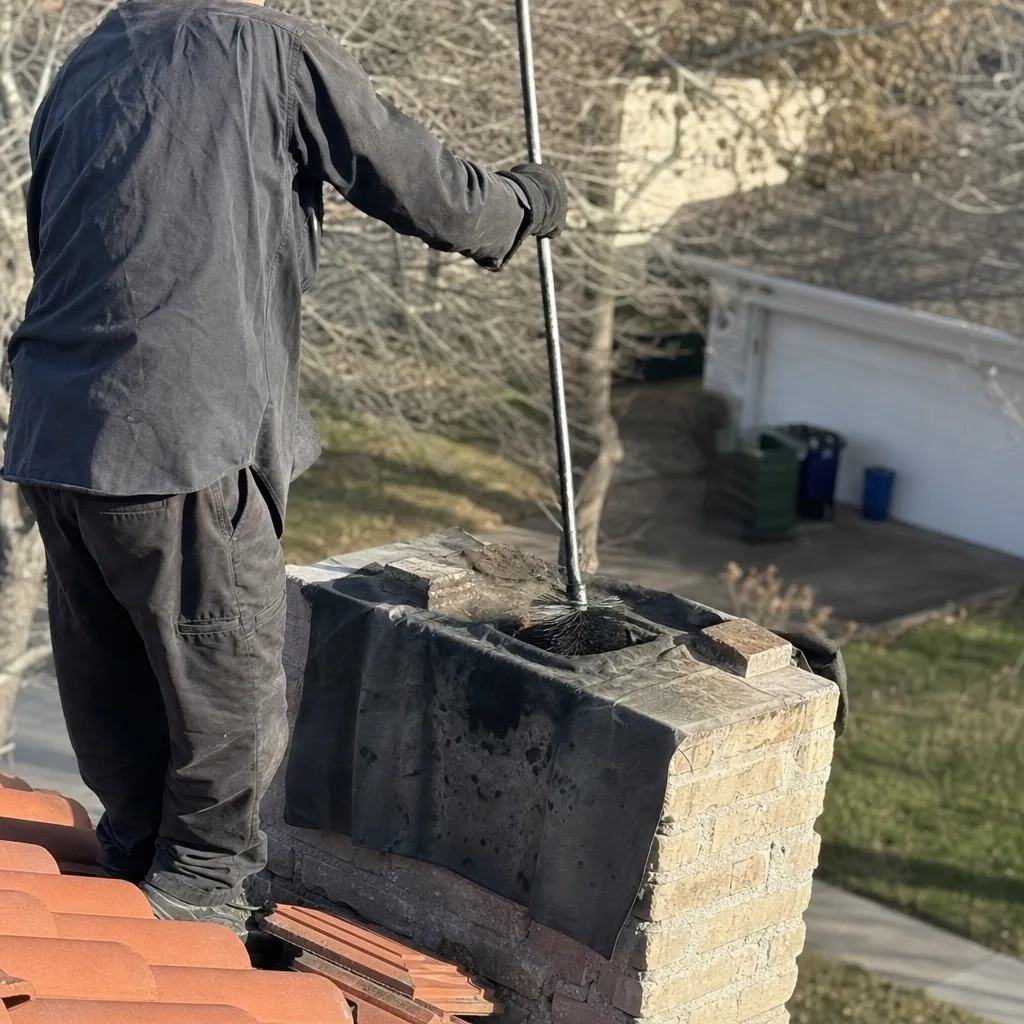
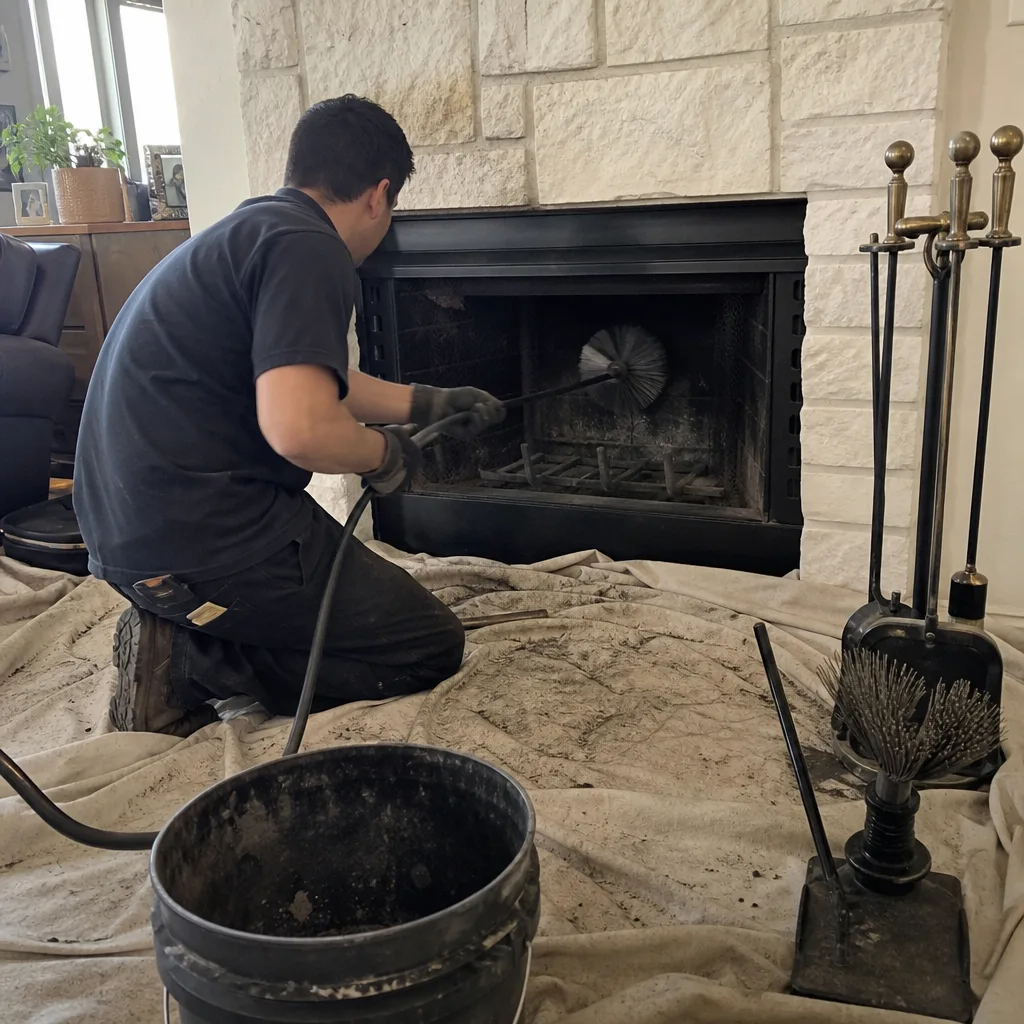
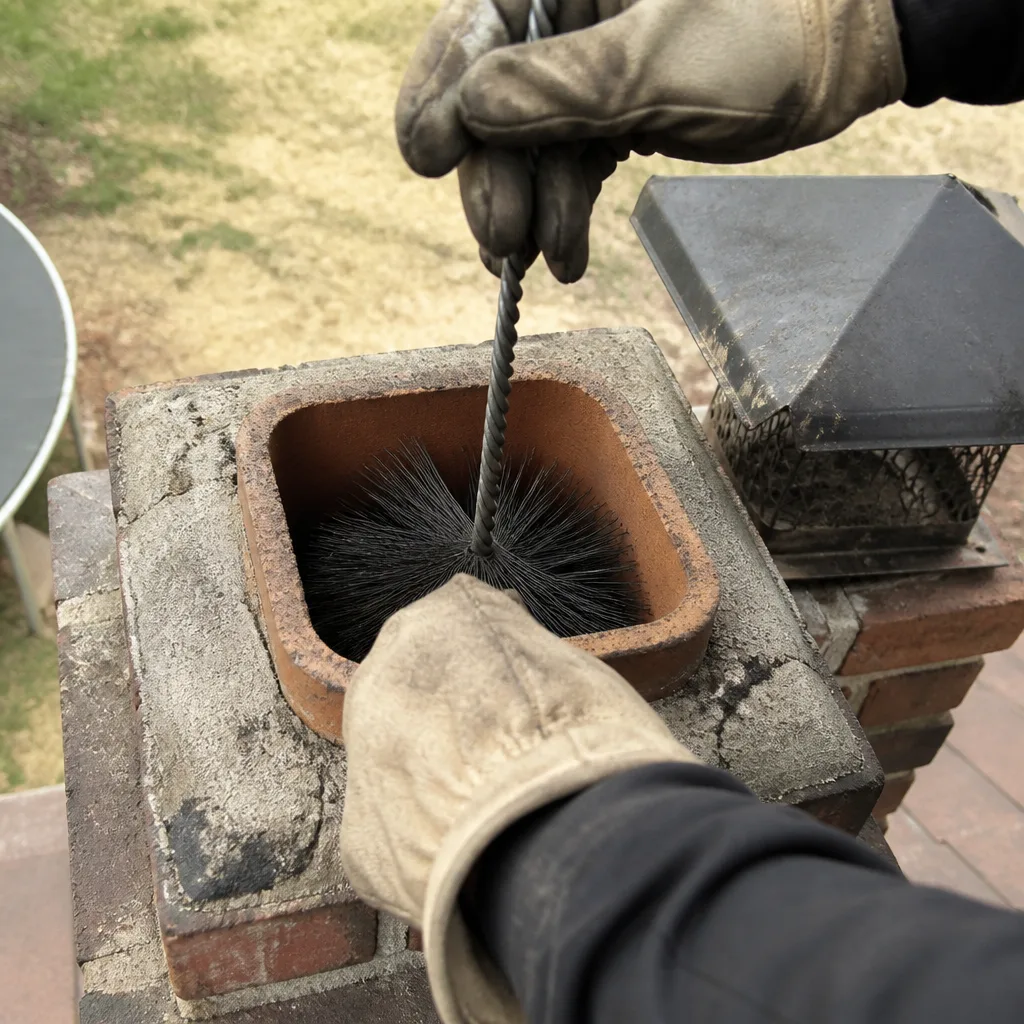
Texas does not regulate chimney sweeping at the state level. No license, no certification requirement, no permit. A chimney sweep is defined under industry standards as the mechanical removal of combustible deposits from the flue, smoke chamber, and firebox. That’s it. Brushes, rods, vacuums, and visual assessment. Nothing is altered, nothing is installed, nothing is removed beyond creosote and debris.
This surprises most McKinney homeowners we meet in neighborhoods like Adriatica Village and Eldorado Heights. They assume a licensed trade, like electrical or plumbing work. It’s not. The Texas Department of Licensing and Regulation has no chimney sweep category. The Texas State Fire Marshal’s office does not inspect sweep operations. Consumer protection falls to general fraud statutes and local business registration, not trade-specific oversight.
What this means practically: the person cleaning your chimney may have trained for a decade, or they may have bought a brush set online last week. Both are legal. The quality gap is enormous. We’ve pulled nests, collapsed clay flue tiles, and in one case a full soda can from flues that were “cleaned” months earlier by someone working out of a pickup with no camera and no written record-exactly the kind of risk outlined in our Chimney Cleaning Warning Signs: A McKinney Homeowner’s Reference Guide.
The absence of regulation shifts responsibility to you as the homeowner. The single most important question is not whether someone is licensed to sweep, but whether they document what they find, as detailed in our Chimney Cleaning & Sweep Maintenance Checklist for McKinney Homeowners. A proper sweep includes:
- Visual inspection of accessible components (firebox, damper, smoke chamber, flue opening)
- Mechanical cleaning of flue deposits to NFPA 211 standards
- Written condition report with specific findings
- Photo documentation of anything that affects safety or function
At Chimney Cleaning & Sweep in McKinney, our sweeps include a Level 1 inspection by default, with camera documentation on every visit under Haven Standard Clause 4. We’ve done this since 2009, before insurers or regulators asked for it. The photo record is not an upgrade. It’s the baseline.
When Permits Kick In: The IRC Chapter 10 Line
The moment work moves beyond cleaning into alteration, replacement, or installation, the International Residential Code applies. In Texas, IRC Chapter 10 governs chimneys and fireplaces. Local jurisdictions, including McKinney, adopt the IRC with amendments. The permit threshold is not high, and many homeowners cross it unknowingly.
Here is the exact line, based on our experience filing permits in Collin County:
| Work Type | Permit Required in McKinney? | Typical Cost Range |
|---|---|---|
| Chimney cleaning and sweep | No | $189-$289 |
| Cap or spark arrestor installation | Yes, mechanical | $45-$150 permit fee |
| Crown repair or replacement | Yes, building | $75-$200 permit fee |
| Flue liner installation or relining | Yes, building + mechanical | $150-$400 permit fee |
| Firebox rebuild or modification | Yes, building | $100-$250 permit fee |
| Chimney extension or structural modification | Yes, building | $200-$500 permit fee |
Permit costs are separate from labor and materials. They go to the City of McKinney Building Inspections Department, not to your contractor. A legitimate contractor pulls the permit in their name, not yours. If someone asks you to pull the homeowner permit so they can avoid liability, that is a red flag.
The IRC specifics that trigger permits include:
- Section R1001.1: Masonry chimneys must conform to ASTM C1283 and have proper clearances to combustibles. Modifying clearance conditions requires permit and inspection.
- Section R1003.2: Flue liners must be listed and labeled for the intended application. Installing an unlisted liner, or a liner in a chimney not originally designed for it, requires engineering review and permit.
- Section R1005.1: Factory-built fireplaces must be installed per manufacturer’s instructions and listed for the assembly. Any deviation, including connector modifications, requires permit.
We’ve filed permits in McKinney for liner installations using DuraFlex stainless steel and HeatShield cerfractory flue sealant systems. Both materials are IRC-compliant when installed to manufacturer specifications, but the permit and inspection verify that installation, not just material selection. The inspector checks clearances, proper sizing per NFPA 211, and termination height. We’ve had installations flagged for insufficient chimney height above roof plane, a common issue in McKinney’s newer construction with complex rooflines in developments like Trinity Falls and Tucker Hill.
Here’s what happens without a permit: work proceeds, no inspection occurs, and the installation may be functional but non-compliant. If a fire occurs, the insurer’s adjuster requests permit records. None exist. Coverage denial follows, not because the work caused the fire, but because the policy requires code-compliant systems and the homeowner cannot prove compliance. We’ve reviewed denied claims for exactly this reason. The homeowner saved $200 on permit fees and lost $40,000 on coverage.
NFPA 211 Inspection Levels: 1, 2, and 3 Explained
NFPA 211, Standard for Chimneys, Fireplaces, Vents, and Solid Fuel-Burning Appliances, defines three inspection levels. Most homeowners encounter Level 1 or Level 2. Level 3 is rare and invasive. Understanding which level applies to your situation prevents both under-inspection and unnecessary demolition.
Level 1 Inspection
This is the annual maintenance inspection, performed when no changes have been made to the system and no problems are suspected. The technician examines readily accessible portions of the chimney exterior, interior, and connecting appliances. No tools are used to open or remove components. A flashlight and mirror, at most.
Level 1 is appropriate for: annual sweeps of systems in continued service, routine maintenance verification, and basic operational checks. It is not sufficient for real estate transactions, insurance claims, or post-fire assessment in Texas.
Level 2 Inspection
This is the inspection standard we established as normal practice in McKinney in 2009. Level 2 includes everything in Level 1, plus:
- Video camera scan of the entire flue interior
- Inspection of accessible attics, crawl spaces, and basements for clearance violations
- Assessment of proper construction and condition of chimney structure and flue liner
- Written report with photo or video documentation
Level 2 is required by NFPA 211 when: the property is being sold or transferred; the system has been changed (new liner, appliance, or fuel type); there has been a malfunction or fire event; or an insurance company or authority requests it. In Collin County, most insurers writing policies for homes with wood-burning fireplaces now require Level 2 documentation at binding or renewal.
Our Level 2 inspections use a self-leveling camera system that records the full flue circumference. The video file is archived under Haven Standard Clause 4, along with still images of any defects, creosote classification, and written scope of recommended work. Customers receive a copy. The archive protects both parties if questions arise later.
Level 3 Inspection
Level 3 is triggered when a Level 1 or 2 inspection reveals a hidden hazard that cannot be evaluated without removing building materials. This may involve opening walls, removing chimney surrounds, or dismantling portions of the structure. It is not a routine procedure.
We’ve performed three Level 3 inspections in McKinney in the past five years. All followed chimney fires where the thermal shock cracked flue tiles deep in the structure, invisible to camera. In two cases, the damage extended into wall cavities. Level 3 requires written authorization, explicit scope, and often involves the fire marshal or insurance adjuster.
| Trigger Condition | Required Inspection Level | Typical McKinney Context |
|---|---|---|
| Annual maintenance, no changes | Level 1 | Regular sweep appointment |
| Home purchase or sale | Level 2 | TREC disclosure period |
| New appliance or fuel conversion | Level 2 | Gas insert installation |
| Chimney fire or malfunction | Level 2 minimum, Level 3 if indicated | Insurance claim initiation |
| Insurance policy binding/renewal | Level 2 | Collin County carrier requirements |
McKinney and Collin County Code Amendments
McKinney operates under the 2021 International Residential Code with local amendments, administered by the City of McKinney Building Inspections Department. Collin County unincorporated areas use the county amendment set, which differs in spark arrestor requirements and setback rules for rural properties. If you’re in a McKinney address but unincorporated Collin County, the county rules apply. We’ve encountered this confusion in areas near the city limits, particularly along FM 720 and toward Prosper.
Key McKinney amendments affecting chimney work:
- Spark arrestor requirement: All solid fuel-burning chimneys in McKinney must terminate with a spark arrestor where the chimney serves a wood-burning appliance. This is enforced under the McKinney Fire Prevention Code, not just the building code. Missing spark arrestors are a code violation that can be cited by the fire marshal during routine inspection or after a complaint.
- Clearance to combustibles: McKinney enforces IRC R1001.11 strictly. We’ve seen installations flagged where framing was within 2 inches of masonry chimney walls in attic spaces, particularly in homes built during the 2005-2010 construction boom in developments like Stonebridge Ranch. Thermal imaging during Level 2 inspection often reveals these violations before they become fires.
- Factory-built fireplace listing: McKinney requires that factory-built fireplaces and chimney systems bear an original manufacturer label with model number and listing agency. Removed or painted-over labels trigger a Level 2 or 3 inspection to verify proper assembly. This is common in flipped homes in the Historic Downtown McKinney district, where original labels are often lost during renovation.
- Gas log set restrictions: Unlisted decorative gas log sets cannot be installed in solid fuel fireplaces without proper venting configuration and permit. McKinney amended this after carbon monoxide incidents in the early 2010s. The amendment requires direct-vent or B-vent configuration for gas inserts in existing masonry fireplaces, not just vented log sets.
Permit turnaround in McKinney is typically 3-5 business days for standard chimney work, with same-day issuance for cap and spark arrestor mechanical permits submitted online. Inspection scheduling runs 2-4 days after permit issuance. We coordinate permit pull and inspection scheduling as part of our project management, included in the written scope under Haven Standard Clause 1.
Climate matters here. McKinney’s position on the Blackland Prairie means expansive clay soils that shift seasonally. We’ve documented more crown separation and chimney lean in McKinney than in nearby Frisco or Plano, where soil composition differs. Code-compliant crown repair in McKinney often requires flexible sealant systems, like HeatShield CrownSeal, rather than rigid Portland-based mixes that crack with soil movement. This is not in the IRC. It’s local knowledge from 15 years of Chimney Repair in McKinney.
What Texas Insurers Actually Require for Claims
Texas is an “endorsement state” for chimney-related coverage. Standard HO-3 policies cover fire damage from chimney failures, but insurers increasingly require proof of maintenance and code compliance before paying claims. The documentation standard has tightened significantly since 2019, when several Texas carriers experienced losses from unlined chimney fires in the Hill Country and North Dallas suburbs.
What we’ve seen insurers request in denied-claim reviews and policy audits:
- Written inspection report from a qualified technician, dated within 12 months of the incident
- Photo or video documentation of flue condition at time of inspection
- Proof of sweeping if the system burned solid fuel
- Permit records for any modification, relining, or repair work
- Manufacturer documentation for liners, caps, and appliances
- Written scope and invoice for any recommended work, with customer acknowledgment
The critical gap: many homeowners have a sweep receipt but not an inspection report. A receipt proves payment, not condition. An inspection report documents what was found, what was recommended, and what the homeowner chose to do. Insurers treat these differently.
We’ve assisted McKinney homeowners with claim documentation after fires in the Heatherwood and Malone neighborhoods. In cases where Level 2 inspection records existed, claims proceeded smoothly. In cases where only a sweep receipt was available, adjusters requested additional documentation, delayed payment, or in two instances, denied coverage based on “failure to maintain” clauses.
The Texas Department of Insurance does not mandate specific chimney documentation. Individual carriers set their own requirements. We recommend checking your policy declarations page for “wood-burning appliance” or “solid fuel” endorsements. If present, the carrier likely has documentation requirements. If absent, you may have limited or no coverage for chimney-related fire damage regardless of maintenance.
Our documented photo record, archived under Haven Standard Clause 4, has been accepted by every major Texas carrier we’ve encountered, including State Farm, USAA, Farmers, and Texas Farm Bureau. The record includes date-stamped images, technician identification, and equipment calibration where applicable. It’s not a guarantee of claim approval, but it removes the documentation barrier that derails many claims.
Texas Real Estate Commission Disclosure Rules
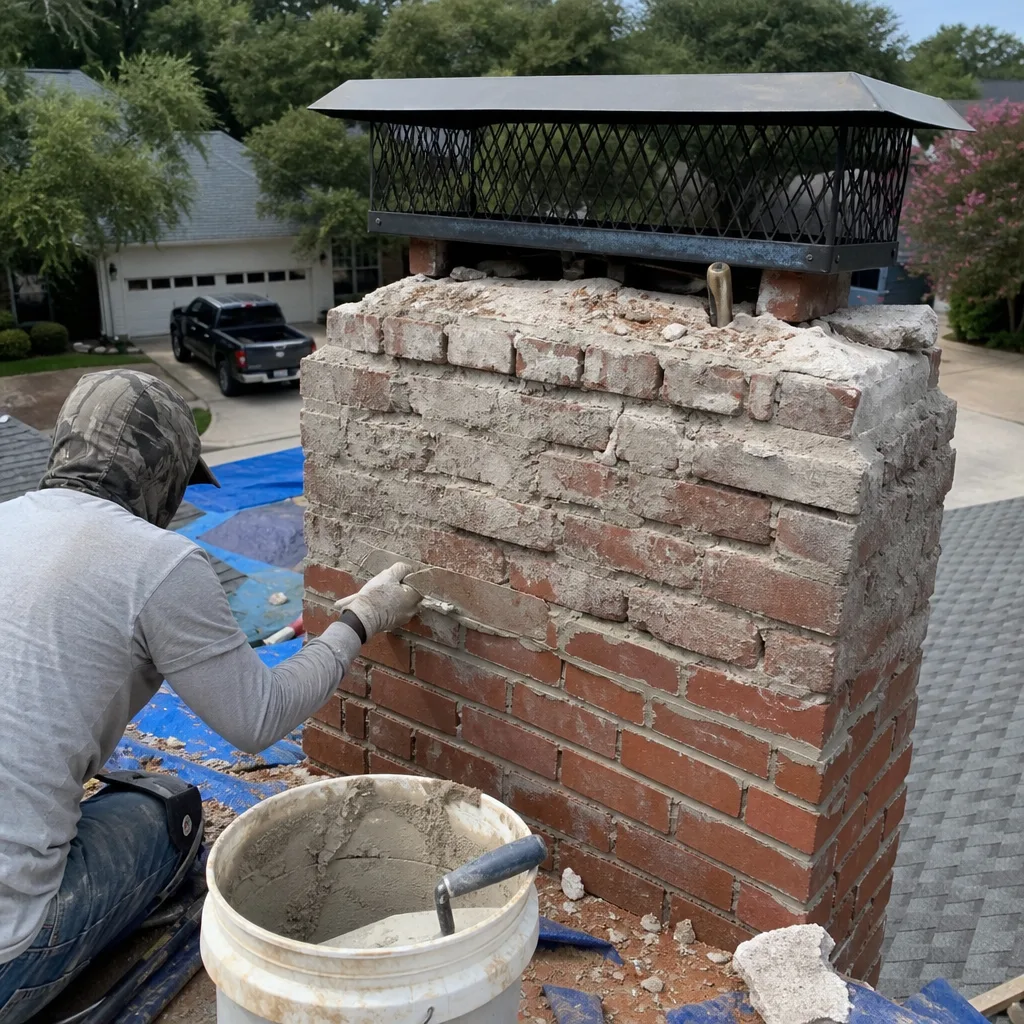
The Texas Real Estate Commission (TREC) promulgated contract forms require sellers to disclose known defects in structural components, including fireplaces and chimneys. Form OP-H, the Seller’s Disclosure Notice, specifically asks about “fireplace and chimney” condition. The disclosure is not a warranty, but failure to disclose known defects can lead to post-sale liability.
Here’s where inspection records become legally significant. A seller who had a Level 2 inspection and was informed of a cracked flue liner cannot later claim ignorance. The inspection report is discoverable evidence. Conversely, a seller who never had an inspection may have a defensible position of “no knowledge,” though this does not protect against buyer remedies if defects are found post-sale.
In McKinney’s active market, particularly in the $400,000-$700,000 range where we see most of our real estate-related work, buyers increasingly request Level 2 inspection as a contract contingency. Some lenders, especially for FHA and VA loans, require it when the appraisal notes a wood-burning fireplace. The TREC contract does not mandate chimney inspection, but buyer agents in Collin County routinely add it.
We’ve performed pre-listing Level 2 inspections for sellers in Craig Ranch and Adriatica who wanted to address issues before market exposure. This strategy prevents mid-transaction surprises. In one case, a $1,200 liner repair identified pre-listing prevented a $15,000 buyer credit request after their inspection found the same defect. The seller had documentation of when the issue was identified and corrected, with permit records.
For buyers, we offer Level Two Chimney McKinney home inspections as part of due diligence. Our report becomes part of the transaction file. If the seller’s disclosure conflicts with our findings, the buyer has specific, documented grounds for negotiation or withdrawal.
When a Chimney Issue Becomes a Code Violation
Not every chimney problem is a code violation. Creosote buildup, for example, is a maintenance issue, not a code violation, until it obstructs the flue beyond NFPA 211 limits or causes a fire. The distinction matters for insurance, saleability, and enforcement.
Common conditions that cross into code violation territory in McKinney:
| Condition | Code Basis | Enforcement Context |
|---|---|---|
| Missing or non-functional spark arrestor on wood-burning chimney | McKinney Fire Prevention Code, IRC R1003.9.2 | Fire marshal inspection, insurance audit |
| Improper clearance to combustibles in attic or wall cavity | IRC R1001.11 | Building inspection at permit, post-fire investigation |
| Unlisted or improperly sized flue liner | IRC R1003.2, NFPA 211-19 12.4 | Insurance claim denial, resale inspection |
| Deteriorated masonry with structural compromise | IRC R1001.2, IBC 2113 | Building official red tag, occupancy restriction |
| Missing or damaged chimney crown with water intrusion | IRC R1003.2, local amendment | Building inspection, HOA enforcement in managed communities |
| Gas appliance connected to chimney not designed for it | IRC G2427, NFPA 54 | Gas utility lockout, fire marshal citation |
The enforcement pathway varies. Clearance violations discovered during permitted work must be corrected before inspection sign-off. Spark arrestor violations may be cited by the fire marshal during routine patrol or complaint response, particularly in McKinney’s denser neighborhoods where chimney emissions affect adjacent properties. We’ve responded to fire marshal referrals in Historic Downtown McKinney, where building proximity amplifies spark risk.
Structural compromise is the most serious. A chimney with spalling brick, missing mortar, or visible lean may be red-tagged by the building official, prohibiting use until repaired. We’ve seen this twice in older McKinney homes near Finch Park, both built in the 1970s with unreinforced masonry chimneys that deteriorated through freeze-thaw cycles. Repair required structural engineering and full rebuild permits.
Not all code violations require immediate correction. Some conditions, like minor crown cracking without water intrusion, may be monitored. Our written scope distinguishes between “repair required for safe operation,” “repair recommended to prevent deterioration,” and “monitor at next annual inspection.” This graduated approach prevents unnecessary expenditure while documenting our professional assessment for insurance and sale purposes.
The Documentation That Protects You
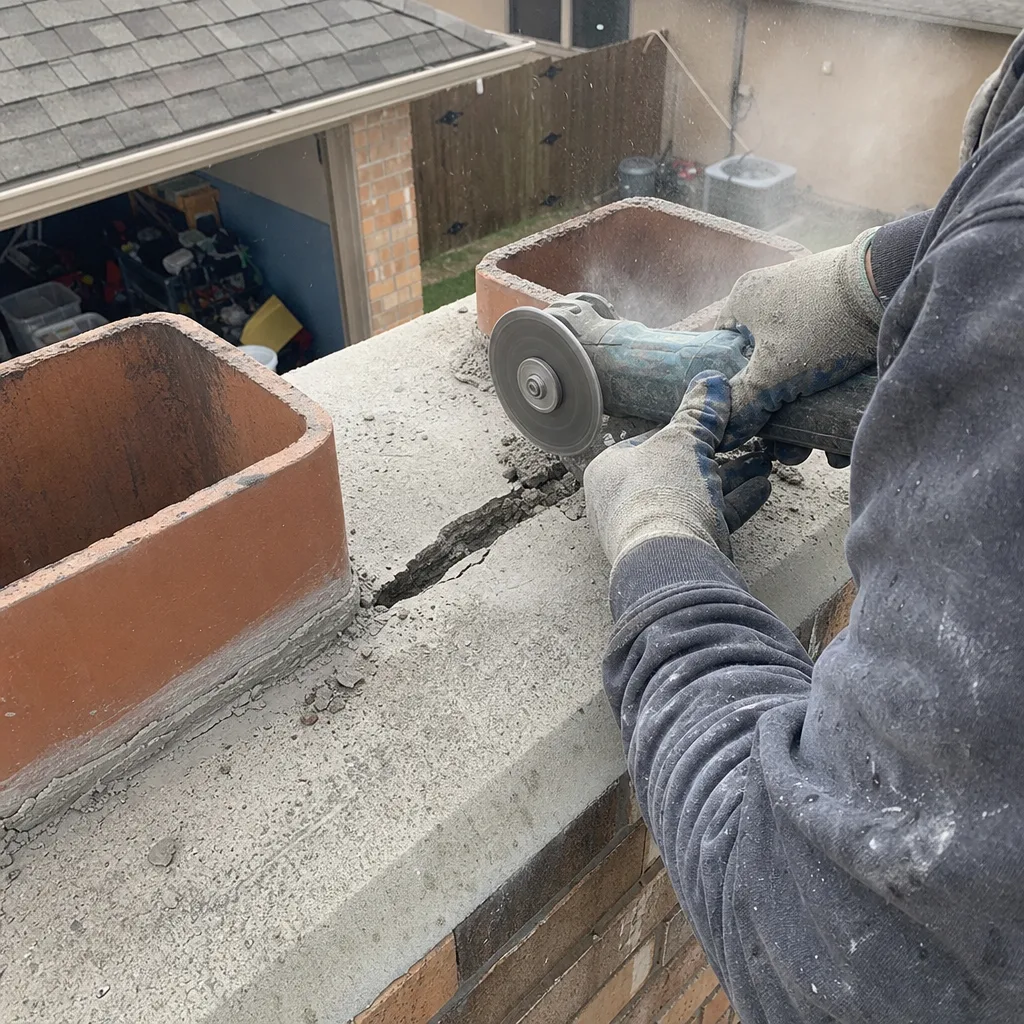
Documentation is the difference between a claim that pays and one that doesn’t, between a sale that closes and one that renegotiates, between knowing your chimney is safe and hoping it is. We’ve emphasized this throughout because it’s the single most overlooked aspect of chimney service. For more guides & resources on protecting your home, explore our blog.
The documentation we provide on every job, without exception, under Haven Standard Clause 1 and Clause 4:
- Written price and scope before work starts. Not an estimate range, not a verbal quote. A written document with line-item pricing, material specifications, and warranty terms. Customer signs before work begins. No exceptions since 2009.
- Photo record of condition. Date-stamped images of accessible components, plus video scan of flue interior for Level 2 inspections. Images are archived and provided to customer.
- Written completion report. What was done, what was found, what was recommended, and what the customer declined. Signed by technician and customer.
- Warranty document. 365-Day Done Right Promise, with specific coverage terms. Repair work carries additional material warranties from manufacturers like DuraFlex, HeatShield, and Gelco.
- Permit records. When permits are required, we provide the permit number, inspection dates, and final sign-off documentation. Customer receives copies for their files.
This documentation package has been tested through insurance claims, real estate transactions, and warranty service across 38,000+ jobs. It works because it’s specific, dated, and complete. Generic receipts and verbal assurances do not provide the same protection.
We also offer free second opinion on any competitor’s written estimate. Bring us their scope and price. We’ll review it against what we find in your chimney, with no obligation. This service exists because we’ve seen homeowners in McKinney quoted $4,000 for liner replacement when a $400 crown repair solved the water intrusion, or quoted “complete rebuild” for spalling that HeatShield resurfacing addressed at one-fifth the cost. Written documentation from an independent assessment prevents overselling.
For Fireplace Services in McKinney that involve gas appliance work, we add manufacturer installation manuals, gas pressure test records, and combustion analysis readings where applicable. Gas work has its own documentation requirements under NFPA 54 and the Texas Railroad Commission rules for piped gas systems.
Common Mistakes to Avoid
- Assuming a sweep receipt is an inspection report. It isn’t. A receipt proves transaction, not condition. Insurers and buyers need condition documentation, which requires a written report with specific findings.
- Letting a contractor use your homeowner permit. Permits should be in the contractor’s name, with their license and insurance on file. A homeowner permit shifts liability to you and may void contractor warranties.
- Skipping inspection because “the chimney looks fine.” Most dangerous conditions, including cracked flue tiles and clearance violations, are not visible from the firebox or roof. Camera inspection is the only reliable detection method.
- Accepting verbal estimates for repair work. Texas law does not require written estimates for chimney work, but without written scope and price, you have no recourse for scope creep or price escalation. Haven Standard Clause 1 exists specifically to prevent this.
- Ignoring McKinney’s spark arrestor requirement. It’s not optional for wood-burning systems. We’ve seen $150 citations from the fire marshal and insurance riders requiring immediate compliance.
- Failing to document pre-existing condition before a home sale. Sellers who skip pre-listing inspection lose the ability to disclose accurately and may face post-sale claims. A $250 Level 2 inspection prevents this exposure.
- Using unlisted liner materials to save money. We’ve removed failed liners in McKinney homes where the “stainless steel” liner was actually uncertified overseas material that corroded in two seasons. IRC requires listed and labeled materials. Insurers check this.
When to Call a Professional
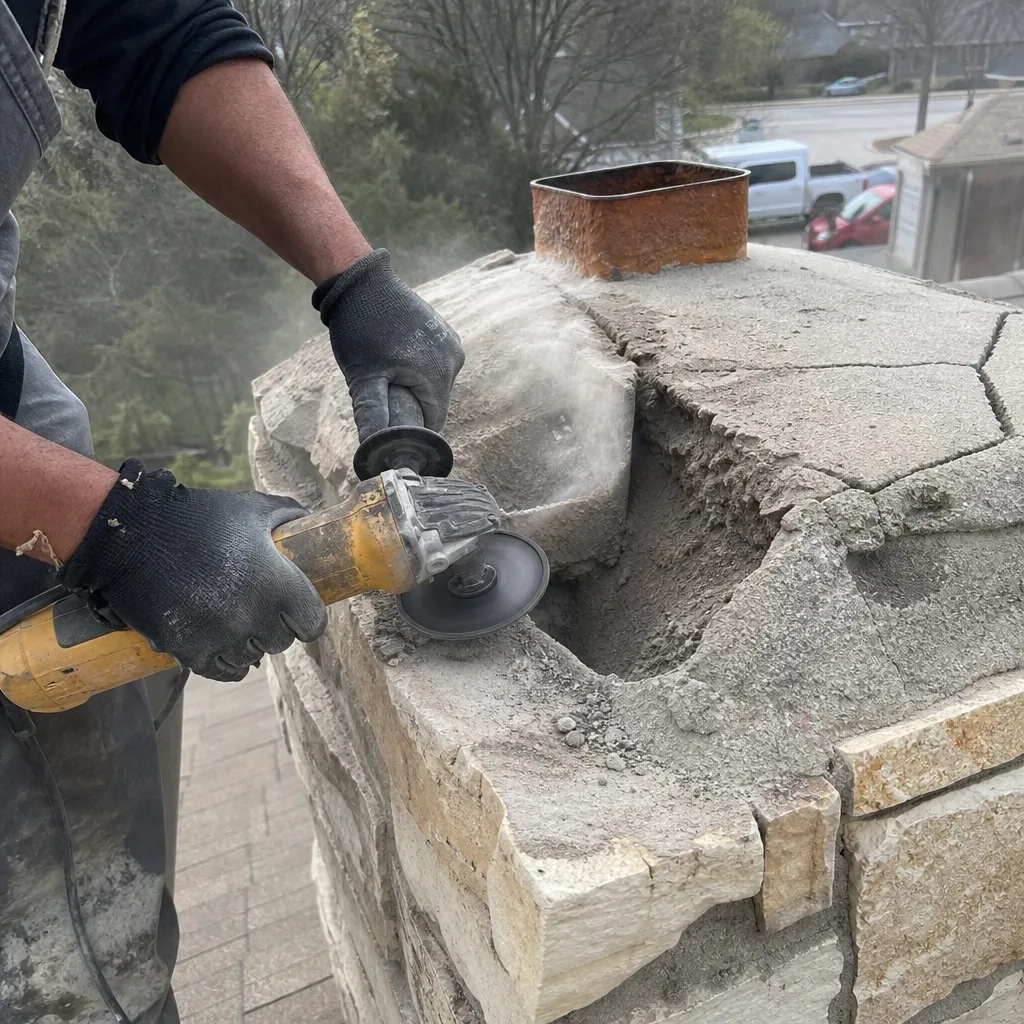
Call a qualified chimney professional when: you’re buying or selling a home with any fireplace or chimney; you’ve changed fuel types or installed a new appliance; you’ve had a chimney fire, even a small one; your insurer requests documentation; you notice water intrusion, drafting problems, or unusual odors; or it’s been more than 12 months since your last inspection.
In McKinney, Level Two Chimney McKinney offers free estimates with written scope and price before any work begins. Our technicians are background-checked, uniformed, and identified by name before arrival. We answer calls live, 24 hours a day, at (469) 429-2623. If you have a competitor’s written estimate, we’ll provide a free second opinion with our own camera inspection and documentation.
Frequently Asked Questions
No. Chimney cleaning and sweeping do not require permits anywhere in Texas, including McKinney. Permits are required when work involves repair, relining, crown replacement, cap installation, or structural modification under IRC Chapter 10 and local amendments.
Level 1 inspection with sweep typically runs $189-$289. Level 2 inspection with camera scan runs $289-$425 depending on chimney height and accessibility. Level 3 inspection is quoted individually based on required demolition and reconstruction scope. Call (469) 429-2623 for exact pricing - estimates are free.
Level 1 is a visual inspection of accessible components, appropriate for annual maintenance. Level 2 adds camera scan of the full flue interior, inspection of attics and crawl spaces for clearance violations, and written photo documentation. Level 2 is required for real estate transactions, insurance claims, and post-fire assessment in Collin County.
Yes, if you cannot prove the system was maintained and code-compliant. Texas insurers increasingly require Level 2 inspection records, sweep documentation, and permit records for modified systems. Unpermitted liner installation is a common denial basis. Our documented photo record under Haven Standard Clause 4 has been accepted by all major Texas carriers we’ve encountered.
Annual sweeping is recommended for wood-burning systems by NFPA 211. In McKinney, where oak and pecan are common firewood, we often find Class II glazed creosote after one season of regular use. Gas systems should be inspected annually but typically require less frequent cleaning unless debris or animal intrusion occurs.
It depends on what the camera shows. We don’t recommend liner replacement without photo evidence you can see yourself. Cracked or missing flue tiles, gaps between tile sections, or corrosion in metal liners require replacement for safe operation. Minor spalling or surface glazing may be repairable with HeatShield cerfractory sealant at lower cost. Our written scope distinguishes between immediate safety requirements and recommended improvements, with documentation for both. Call (469) 429-2623 for a camera inspection and exact quote - estimates are free.
The Bottom Line
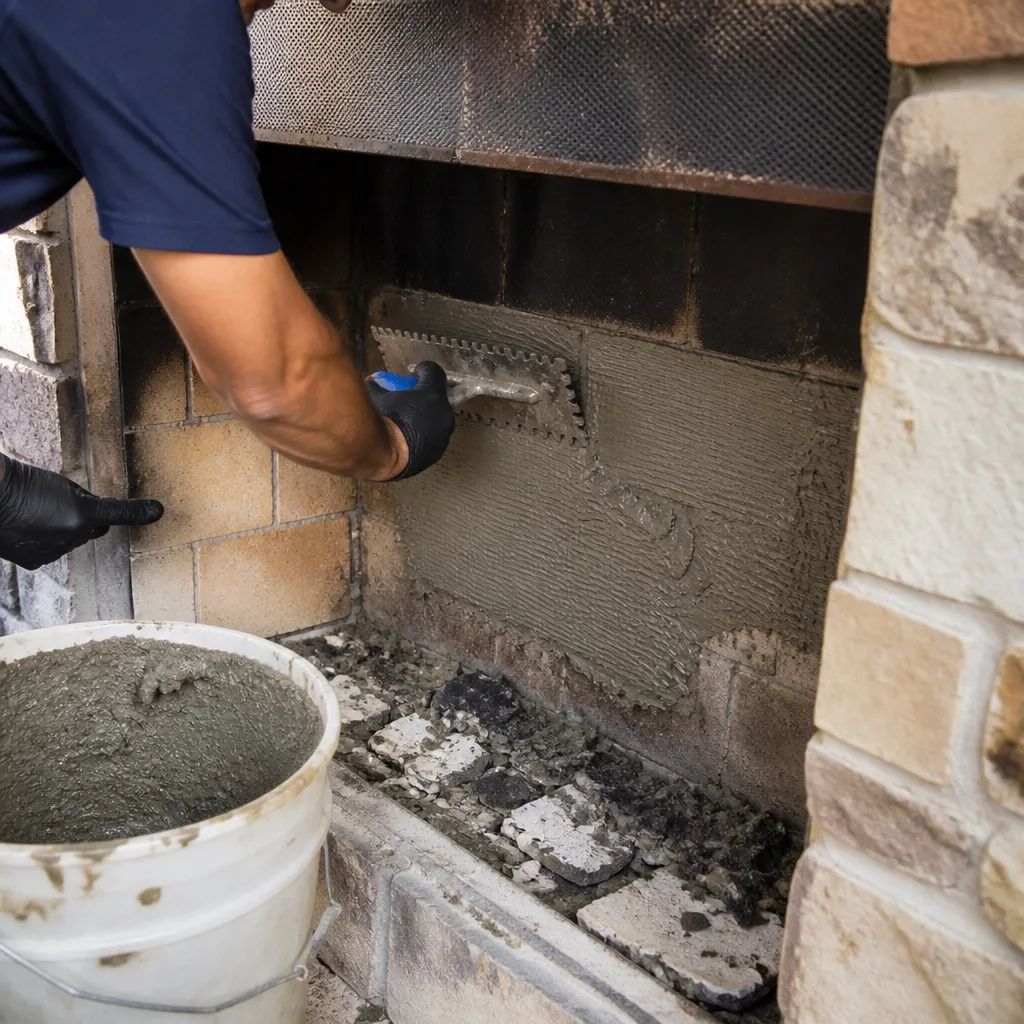
Texas doesn’t license chimney sweeps, but it does enforce building codes the moment work goes beyond cleaning. The gap between unregulated sweeping and code-compliant repair is where homeowners get hurt, financially and physically. Proper documentation, camera inspection, and permit compliance are not extras. They’re the minimum for insurance protection, real estate transactions, and verifiable safety. In McKinney’s specific climate and regulatory environment, local knowledge matters. We’ve documented 38,000+ chimney conditions since 2009, and we’ve made the photo record standard because we’ve seen what happens without it.
Written by Corrine Halstead, Owner at Level Two Chimney McKinney, serving McKinney since 2009.